VIEGO GLOBAL
  • Home
  • About us
  • Services
  • Blog
    • Vietnam’s Agriculture Market
      • Coffee
      • Tapioca Products
      • Spices
      • Fruit
      • Nuts
      • Rice
      • Seafood
    • Vietnam’s Energy Market
    • Vietnam’s Industrial Sector
      • Construction Materials
      • Furniture
      • Flooring
      • Natural Rubber
    • Vietnam’s Consumer Goods
    • Vietnam Sourcing
    • News
  • Join us
    • Join Our Team
    • Become a Supplier
  • Contact Us
  • EnglishEnglish
    • EnglishEnglish
    • Tiếng ViệtTiếng Việt
    • EspañolEspañol
    • 中文 (中国)中文 (中国)
    • 한국어한국어
    • РусскийРусский
    • FrançaisFrançais
    • Bahasa IndonesiaBahasa Indonesia
    • العربيةالعربية
    • NederlandsNederlands
    • বাংলাবাংলা
    • 日本語日本語
VIEGO GLOBAL
  • Home
  • About us
  • Services
  • Blog
    • Vietnam’s Agriculture Market
      • Coffee
      • Tapioca Products
      • Spices
      • Fruit
      • Nuts
      • Rice
      • Seafood
    • Vietnam’s Energy Market
    • Vietnam’s Industrial Sector
      • Construction Materials
      • Furniture
      • Flooring
      • Natural Rubber
    • Vietnam’s Consumer Goods
    • Vietnam Sourcing
    • News
  • Join us
    • Join Our Team
    • Become a Supplier
  • Contact Us
  • EnglishEnglish
    • EnglishEnglish
    • Tiếng ViệtTiếng Việt
    • EspañolEspañol
    • 中文 (中国)中文 (中国)
    • 한국어한국어
    • РусскийРусский
    • FrançaisFrançais
    • Bahasa IndonesiaBahasa Indonesia
    • العربيةالعربية
    • NederlandsNederlands
    • বাংলাবাংলা
    • 日本語日本語
Author

Cam Hang

Cam Hang

Vietnam Sourcing

The FTA Arbitrage: De-Risking Global Chemical Portfolios Via Vietnam’s Tariff-Exempt Cationic & Oxidized Supply Corridors

by Cam Hang 29 September, 2026
written by Cam Hang

In the high-volume world of global industrial manufacturing, specialized chemical sourcing has traditionally been driven more by established habits than by strategic risk management. For decades, multinational companies in the paper, textile, corrugation, and industrial water treatment sectors have relied heavily on legacy, single-country supply sources for their Cationic Starch and Oxidized Starch portfolios.

However, sourcing strategies built around a single region can leave global portfolios highly vulnerable to single points of failure. Climate-related harvest volatility, localized maritime bottlenecks, and concentrated pricing power have increasingly turned traditional supply routes into significant operational risks.

To address these vulnerabilities, forward-thinking procurement leaders and experienced chemical trading companies are actively diversifying their sourcing strategies. Supported by next-generation refining technology and Vietnam’s extensive international trade network, the country has emerged as a strong alternative supply corridor, offering comparable chemical performance together with significant tariff advantages.

1. The Total Cost Of Ownership: Unmasking The False Economy Of Corn Starch

To protect trading margins, procurement teams often assess starch products primarily through their initial commodity prices. This approach frequently encourages the use of corn-based industrial starches. However, evaluating chemical raw materials only through spot-price comparisons fails to account for the broader Total Cost of Ownership (TCO).

The Cationic Matrix: Wet-End Retention Failures

Industrial corn starch has a comparatively weaker molecular structure and a lower amylopectin-to-amylose ratio than premium tapioca starch. In paper wet-end applications and wastewater flocculation, this structural limitation can result in weaker internal fiber bonding and reduced charge retention. To achieve demanding tensile and internal bond strength requirements, mills may need to increase corn starch dosage significantly. This not only raises raw material consumption but can also increase the chemical load entering wastewater systems, contributing to higher Chemical Oxygen Demand (COD) treatment costs.

In contrast, advanced Modified Tapioca Starch contains a naturally dense amylopectin matrix of approximately 80%. This structure promotes strong and resilient hydrogen bonding with negatively charged cellulose fibers and suspended solids, helping optimize dosage efficiency and reduce the net chemical cost per ton of finished production.

The Oxidized Matrix: Mechanical Shear And Process Downtime

Controlled chemical oxidation is intended to reduce viscosity while maintaining film strength. However, the higher amylose content in oxidized corn starch can contribute to retrogradation and the formation of a brittle, rigid film during drying. Under the intense mechanical shear found in high-speed corrugation lines and paper size-press systems, this brittleness can contribute to paper web breaks and cardboard layer delamination.

The resulting impact can include significant production downtime, disrupted manufacturing schedules, and increased material waste. Oxidized Tapioca Starch, by comparison, can produce a flexible, clear, and high-tensile protective film. It maintains stable viscosity under high temperatures and mechanical stress, supporting smooth processing across high-speed industrial looms and high-output corrugation lines.
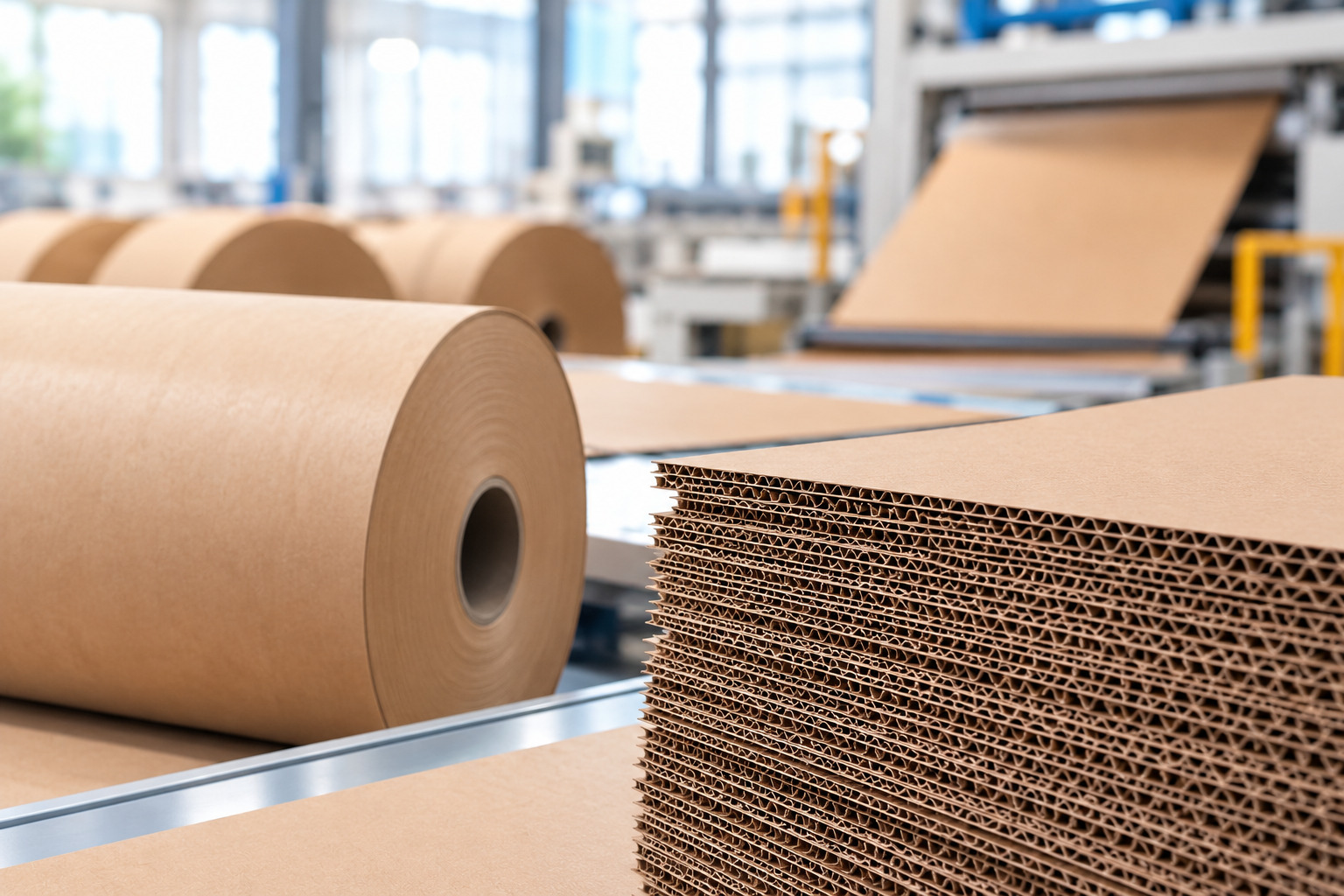
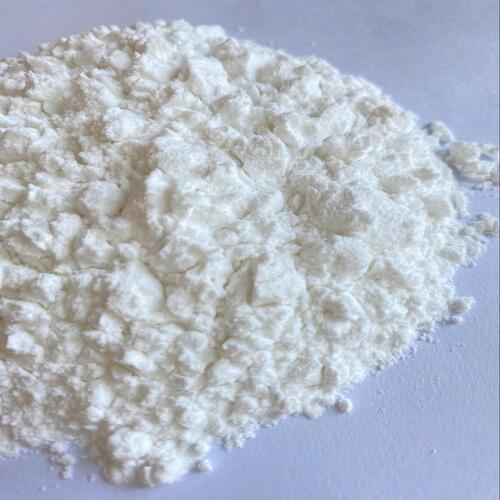
Starch-based adhesive for strong cardboard bonding

2. Multi-Industry Engineering: Purity And Functional Purity

The application potential of advanced modified tapioca starch extends across several high-volume industrial manufacturing sectors.

Packaging & Corrugation:

It provides rapid tacking properties and strong green bond strength, helping prevent multi-layer cardboard from warping, blistering, or splitting during long-distance maritime transportation. This also includes the capability to supply custom-engineered Pregelatinized E1404 (Pregel E1404), offering corrugation lines a cold-water-soluble adhesive base that supports rapid bonding without intensive heating.

Textile Sizing:

It forms an ultra-smooth, friction-resistant coating around warp yarns, helping reduce yarn breakage on automated, high-speed weaving looms and improving overall production efficiency.

Industrial Water Treatment:

Precisely engineered positive charge densities allow it to function as an efficient, clean-label flocculant that binds and settles suspended particles without introducing heavy mineral or organic residues into clarified water. With advanced grades such as cold-soluble Pregel E1404, water treatment facilities can use an instant-dissolving natural polymer to accelerate clarification while supporting environmental compliance.

Furthermore, unlike corn starch, which naturally contains residual lipids and bound proteins that can decompose, generate unpleasant industrial odors, and reduce final product brightness, pure-origin tapioca starch offers high natural whiteness and a near-zero residue profile. This makes it particularly suitable for premium paper coatings and sensitive chemical manufacturing applications.
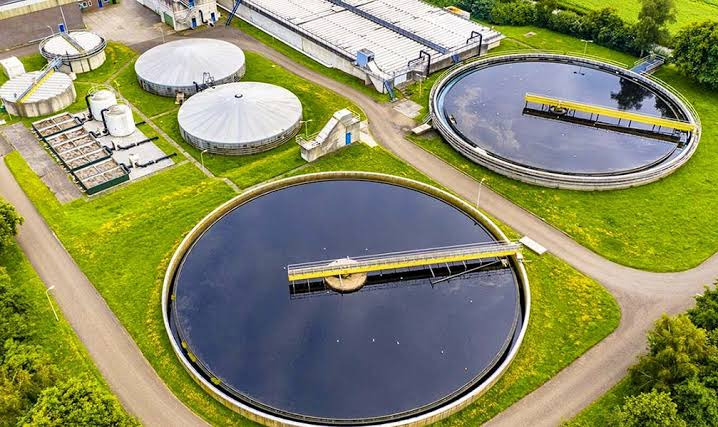
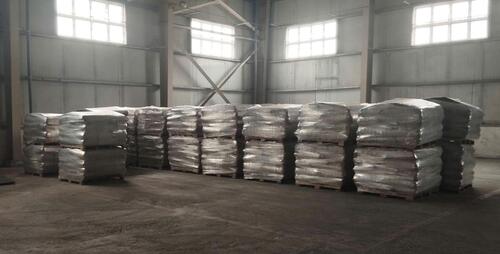
Starch-based flocculant for industrial water treatment

3. The Tariff Trump Card: Vietnam’s Free Trade Network As A Margin Shield

While technical performance helps protect factory-floor efficiency, geopolitical and fiscal strategy plays an equally important role in maintaining portfolio profitability. Operating through traditional single-country sourcing hubs can expose global chemical trading companies to customs duties, anti-dumping investigations, and changing trade restrictions, potentially eliminating a trader’s 2–3% arbitrage margin almost overnight.

Vietnam reduces exposure to these risks through its extensive network of modern Free Trade Agreements (FTAs). Rather than relying solely on conventional trade routes, global companies sourcing from Vietnam can access a broad framework of tariff preferences and trade advantages.

  • EVFTA (EU-Vietnam Free Trade Agreement): Gradually reducing trade barriers and creating opportunities for European paper, textile, and chemical distribution companies to import modified starch products with preferential or potentially zero-tariff treatment, subject to applicable requirements.
  • UKVFTA (UK-Vietnam Free Trade Agreement): Supporting preferential, tariff-free trade routes into United Kingdom industrial markets when the relevant origin and tariff requirements are satisfied.
  • CPTPP & RCEP Frameworks: Providing preferential duty structures across major Asia-Pacific manufacturing markets, including important industrial hubs in South Korea, Japan, Australia, and other participating markets.

By redirecting part of their industrial starch volume through Vietnam, global procurement teams can diversify their physical supply base while also leveraging applicable tariff preferences to reduce customs-related costs and protect corporate margins.
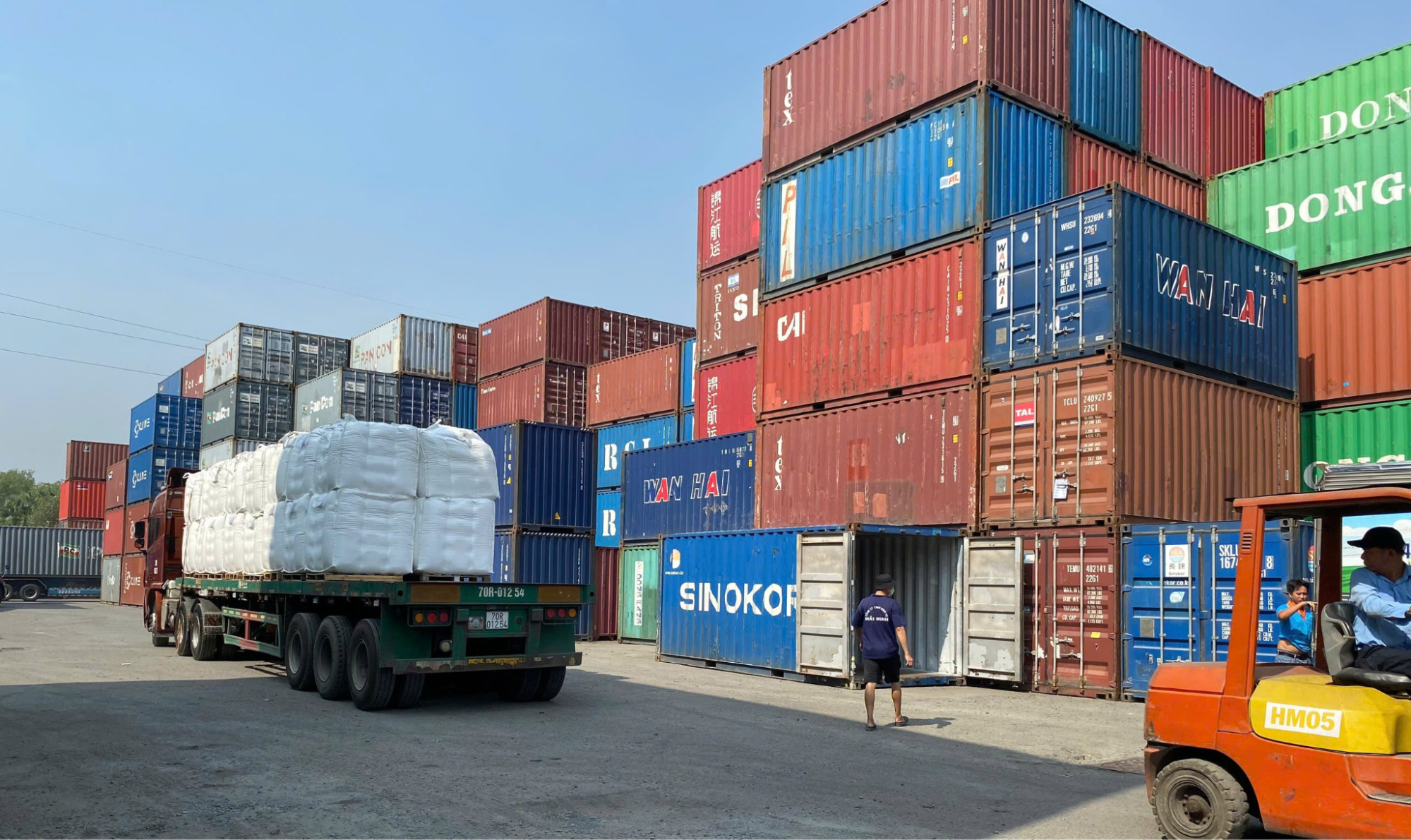
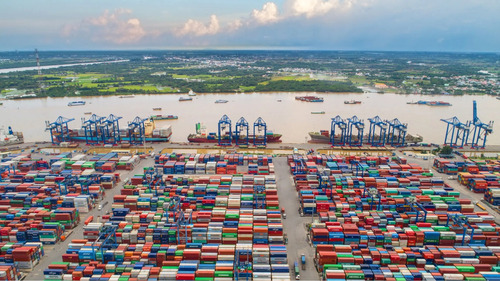
Vietnam’s trade and logistics network supporting global modified starch exports. Source: Viego Global JSC

4. Supply Security: The Indochina Agricultural Corridor

A common mistake among transactional brokers is assuming that agricultural supply chains can operate reliably through localized, single-country harvests alone. At true industrial scale, a stronger geographical supply buffer is essential.

Viego Global reduces single-origin supply volatility by operating at the center of the Indochina agricultural corridor. Vietnam’s next-generation automated refineries are strategically positioned to benefit from a robust cross-border raw material logistics network. By securing a continuous, high-volume supply of pure cassava roots through this integrated regional network, the processing ecosystem gains a substantial raw material buffer.

This geographical advantage helps protect production campaigns against localized weather disruptions and crop failures concentrated in a single country, giving global enterprises greater long-term contract predictability than traditional Western or single-origin sourcing hubs can provide.
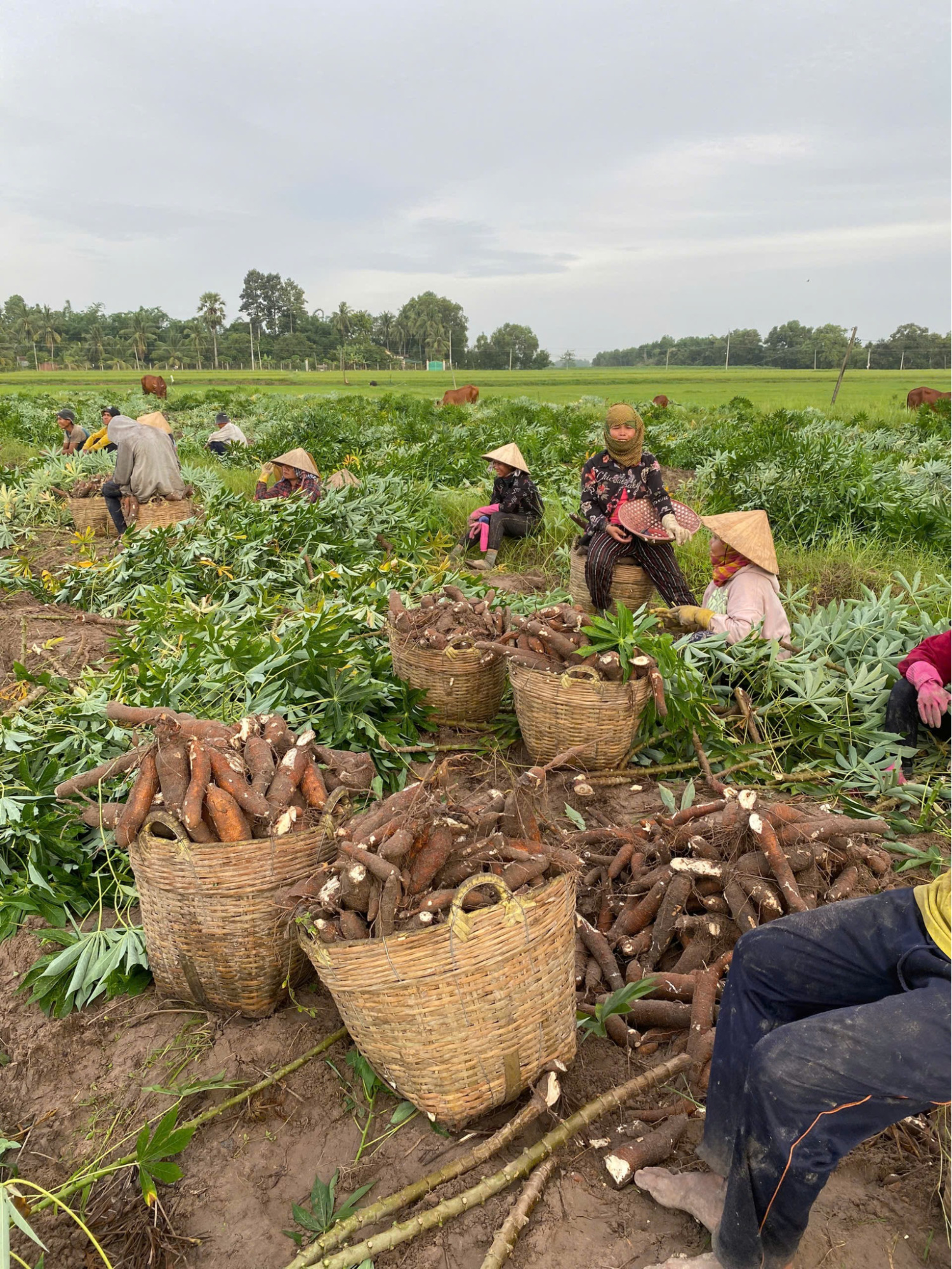
Vietnam’s cassava supply chain for industrial starch production. Source: Viego Global JSC

5. Institutional Execution: Engineering Systemic Predictability

Industrial manufacturing equipment operates according to strict technical parameters rather than generalized product descriptions. Viego Global therefore operates not simply as a transactional broker, but as a Technical Gatekeeper and Supply Chain Architect. Its value is built around system-level supply and quality governance.

Custom Rheology Tuning & Parameter Engineering

Moving beyond generic, mass-produced commodity grades, Viego Global executes strict, custom-engineered parameter modifications to fulfill demanding industrial profiles. Operating through controlled technical channels, we command full technical capabilities to calibrate the required Degree of Substitution (DS), charge densities, and specific Brookfield viscosity curves demanded by high-speed industrial machinery. This rigorous engineering infrastructure ensures that every batch is custom-tuned to deliver the exact dynamic slurry stability, film-forming strength, and fiber retention characteristics required for your specific plant environment, allowing our team to execute your exact Technical Data Sheet (TDS) parameters with absolute batch-to-batch predictability.

Capacity Quota & Strategic Annual Contracts:

Moving high-performance industrial chemicals from unstable spot markets into predictable corporate supply requires a committed sourcing partnership. For customized formulations that require tight DS tolerances, Viego Global works through its institutional relationships with Tier-1 refineries to secure dedicated annual production quotas.

This allocation model is designed to strengthen supply continuity and support a more predictable pricing structure over a 12-month fiscal cycle, helping global portfolios reduce exposure to spot-market inflation and unexpected capacity shortages.

Independent Quality Governance:

Heavy industries cannot tolerate significant batch-to-batch variation. To support strict compliance with Technical Data Sheets, Viego Global conducts centralized Acceptable Quality Limit (AQL) verification using composite samples before containers receive clearance for maritime shipment.

Viego Global JSC – Your Trusted Sourcing Partner

The global industrial chemical sourcing landscape is changing, and building a predictable, diversified starch supply chain is essential for protecting manufacturing efficiency, controlling long-term costs, and reducing exposure to single-origin risks. Viego Global helps global manufacturers strengthen their sourcing strategy by connecting their technical requirements for Cationic Starch and Oxidized Starch with suitable manufacturing capabilities in Vietnam. Our team can review your exact Technical Data Sheets (TDS), functional requirements, Degree of Substitution (DS), charge density, viscosity, and application conditions, then work with our trusted manufacturing network to develop a high-performance starch solution tailored to your production needs. By combining technical R&D collaboration, centralized quality control, reliable sourcing capabilities, and Vietnam’s extensive FTA network, Viego Global supports clients in improving supply continuity while optimizing sourcing costs and applicable tariff advantages.

For inquiries about Cationic Starch, Oxidized Starch, Pregelatinized E1404, or customized modified starch solutions, please contact us directly via WhatsApp/WeChat: +84 98 352 4599 or email: marketing@viegoglobal.com. Being present at both the cassava-growing locations and the economic centre of Vietnam, Viego Global can professionally support sourcing and order execution, helping clients secure quality tapioca products at competitive prices.

If you would like to explore more about Vietnam Tapioca Starch and the latest market developments, follow our channels below:

  • Website: https://vietnamtapiocastarch.vn/ or https://viegoglobal.com/category/vietnams-tapioca-market/
  • YouTube: https://www.youtube.com/@VietnamTapiocastarchSupplier
  • LinkedIn: https://www.linkedin.com/company/b-sky-native-and-modified-tapioca-starch/
29 September, 2026 0 comment
0 FacebookTwitterPinterestLinkedin
Vietnam Sourcing

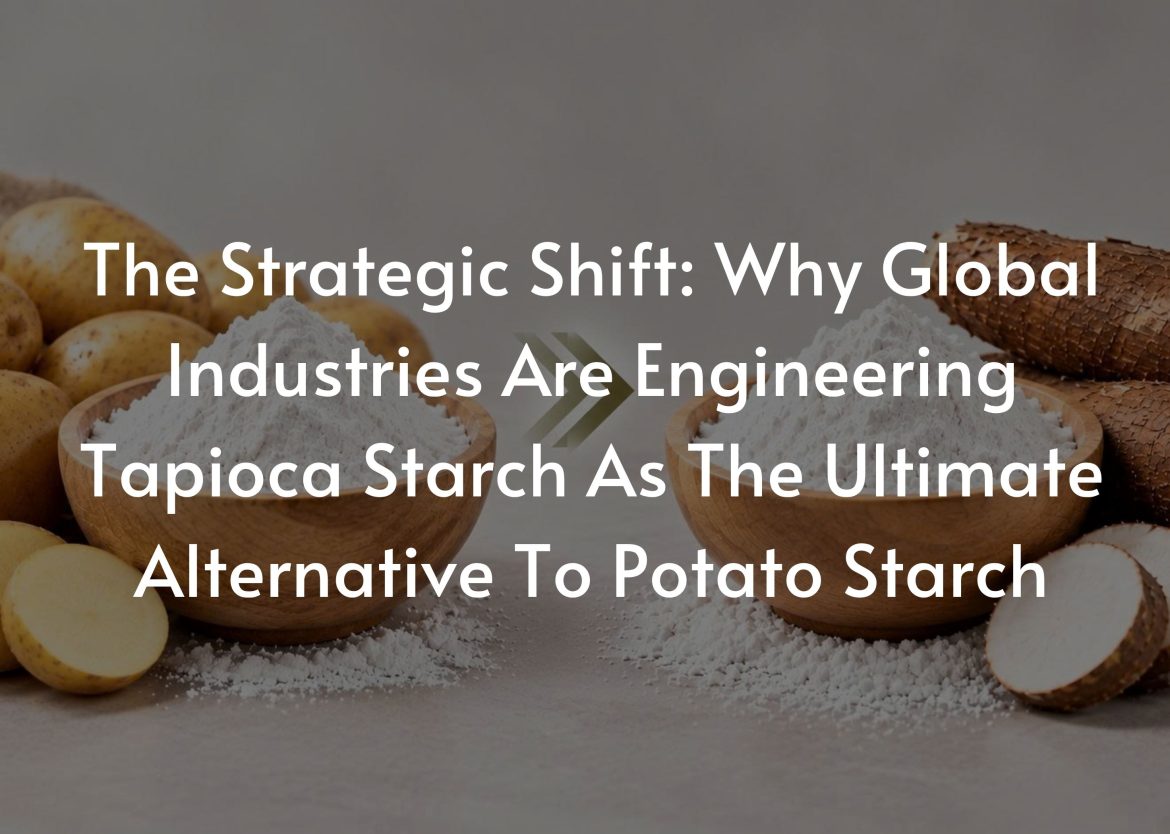
The Strategic Shift: Why Global Industries Are Engineering Tapioca Starch As The Ultimate Alternative To Potato Starch

by Cam Hang 16 September, 2026
written by Cam Hang

1. Introduction: The Illusion Of Current Market Stability

  • Global potato starch markets frequently experience sharp cyclical swings. While periods of temporary price stability may offer short-term relief and reduce immediate pressure on procurement budgets, the long-term structural vulnerability remains highly critical.
  • However, experienced supply chain directors understand that this stability can be fragile. European potato harvests remain highly exposed to changing climate conditions, drought, and rising energy costs, all of which have historically contributed to significant price increases.
  • Forward-thinking multinational brands are not waiting for the next supply disruption. A major strategic shift is already taking place in corporate laboratories worldwide: advanced Modified Tapioca Starch is being re-engineered to replace potato starch across both food and heavy industrial applications.

2. The Technical Challenge: Matching The Potato Benchmark

  • Potato starch has traditionally been preferred for premium applications because of its high peak viscosity, strong binding properties, and excellent paste clarity.
  • Through advanced Double-Modification, combining chemical cross-linking with stabilization, Vietnamese tier-one refineries can now modify the molecular structure of tapioca starch.
  • Modified tapioca starch can be custom-engineered to closely reproduce the viscosity curves, water-binding capacity, and texture-retention characteristics traditionally associated with potato starch.

3. Industry Applications: Where Tapioca Is Outbenchmarking Potato

A. The Food Processing Sector (Noodles, Sauces & Meat)

  • Noodles & Pasta (using E1420): Advanced modified tapioca starch can provide the elastic chewiness, glossy appearance, and freeze-thaw stability traditionally achieved with more expensive potato starch.
  • Sauces & Ketchup (using E1422 / E1414): Acid- and shear-resistant tapioca derivatives can replace potato starch while helping prevent water separation (syneresis) throughout extended shelf life.

Modified Tapioca Starch (E1422/E1414) provides excellent emulsion stability and texture in sauces and dressings.

B. High-End Industrial & Environmental Applications

  • Beyond food processing, advanced modified tapioca starch is increasingly entering heavy industrial sectors that have traditionally depended on more expensive European potato-based polymers.
  • In industrial water treatment and paper and textile processing, tailored tapioca starch formulations are being adopted as effective, eco-friendly flocculants. This enables treatment facilities to meet strict environmental and wastewater requirements while significantly reducing chemical procurement costs.

4. The Structural Supply Advantage: Vietnam As A Regional Sourcing Hub

  • Unlike European potato crops, which are highly vulnerable to localized weather disruptions and a single annual harvest period, Vietnam offers a distinct structural supply advantage.
  • Located at the heart of Southeast Asia’s agricultural corridor, modern Vietnamese refineries benefit from a strong cross-border raw material network.
  • This strategic geographic position creates a continuous, high-volume raw material buffer that helps protect production from single-country crop failures. As a result, global buyers can gain greater volume predictability and cost stability than traditional European sourcing can provide.

While importing potato starch across certain regional borders can create complex customs challenges, sourcing naturally Non-GMO tapioca starch can provide immediate cost optimization. Under trade agreements such as the EVFTA and CPTPP, switching to a clean-label alternative can qualify for 0% tariff treatment at the destination port, subject to applicable requirements.

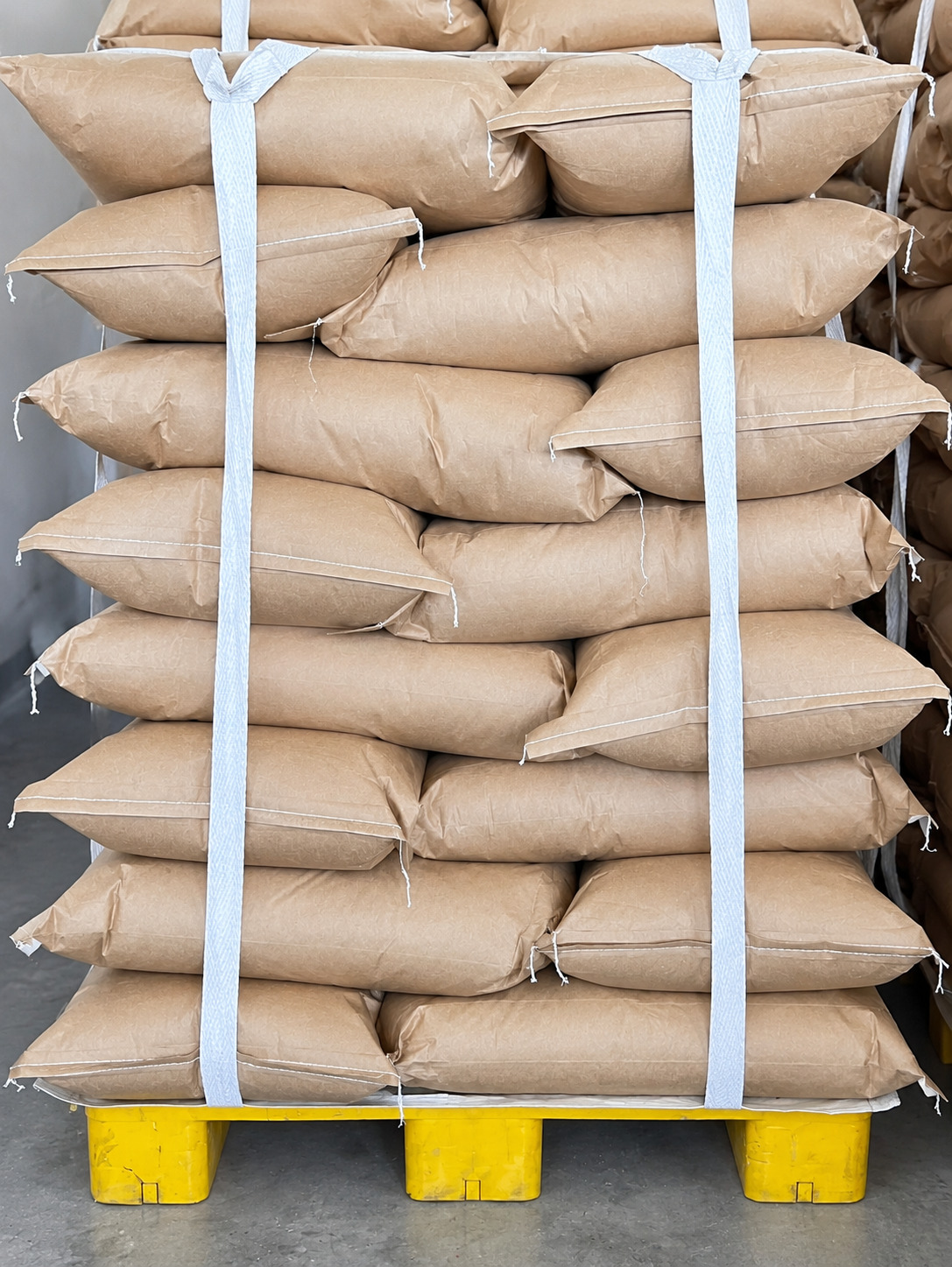
Kraft paper export packaging for Tapioca Starch from Vietnam. Source: Viego Global JSC

5. Viego Global: Architecting Your Starch Substitution Plan

  • Viego Global evaluates your existing potato starch viscosity profiles and works with its vetted manufacturing network to develop a tapioca substitute that matches your specific requirements.
  • We coordinate production across multiple factories and apply strict Centralized AQL verification to submitted composite samples to help ensure that the substitute starch performs reliably on your automated manufacturing line.

Viego Global JSC – Your Trusted Sourcing Partner

The best time to strengthen your starch supply chain is before the next market disruption occurs. While potato starch prices may currently appear stable, climate risks, harvest volatility, and regional supply disruptions can quickly affect procurement costs and production continuity. Viego Global helps global manufacturers future-proof their sourcing strategy by connecting their technical potato starch requirements with suitable Tapioca Starch manufacturing capabilities in Vietnam. Our team can review your existing potato starch specifications, viscosity profiles, functional requirements, and target costs, then work with our vetted manufacturing network to develop a high-performance modified tapioca starch alternative tailored to your application. By combining technical R&D collaboration, centralized quality control, and reliable sourcing capabilities, Viego Global supports a practical transition from potato starch to a cost-efficient and stable Tapioca Starch solution.

For inquiries about Tapioca Starch, advanced modified starch, or customized R&D solutions, please contact us directly via WhatsApp/WeChat: +84 98 352 4599 or email: marketing@viegoglobal.com. Being present at both the cassava-growing locations and the economic centre of Vietnam, Viego Global can professionally support sourcing and order execution, helping clients secure quality tapioca products at competitive prices.

If you would like to explore more about Vietnam Tapioca Starch and the latest market developments, follow our channels below:
  • Website: https://vietnamtapiocastarch.vn/ or https://viegoglobal.com/category/vietnams-tapioca-market/
  • YouTube: https://www.youtube.com/@VietnamTapiocastarchSupplier
  • LinkedIn: https://www.linkedin.com/company/b-sky-native-and-modified-tapioca-starch/
16 September, 2026 0 comment
0 FacebookTwitterPinterestLinkedin
Vietnam Sourcing

The New Era Of Vietnam’s Starch Industry: Rising Beyond Bulk Commodities To High-Purity & Advanced Modified Sophistication

by Cam Hang 8 September, 2026
written by Cam Hang

1. Introduction: Breaking The Outdated Stereotype

  • For decades, international procurement managers have primarily viewed Vietnam as a high-volume, low-cost sourcing destination for basic native tapioca starch.
  • While the country continues to maintain its structural cost advantages, a significant technological transformation has quietly taken place within Vietnam’s advanced manufacturing sector.
  • A select network of modern, state-of-the-art refineries has upgraded its capabilities to produce highly sophisticated and custom-engineered modified starch products. However, this world-class manufacturing capability remains largely unknown to many global buyers.

2. The Rise Of Vietnamese State-Of-The-Art Refineries

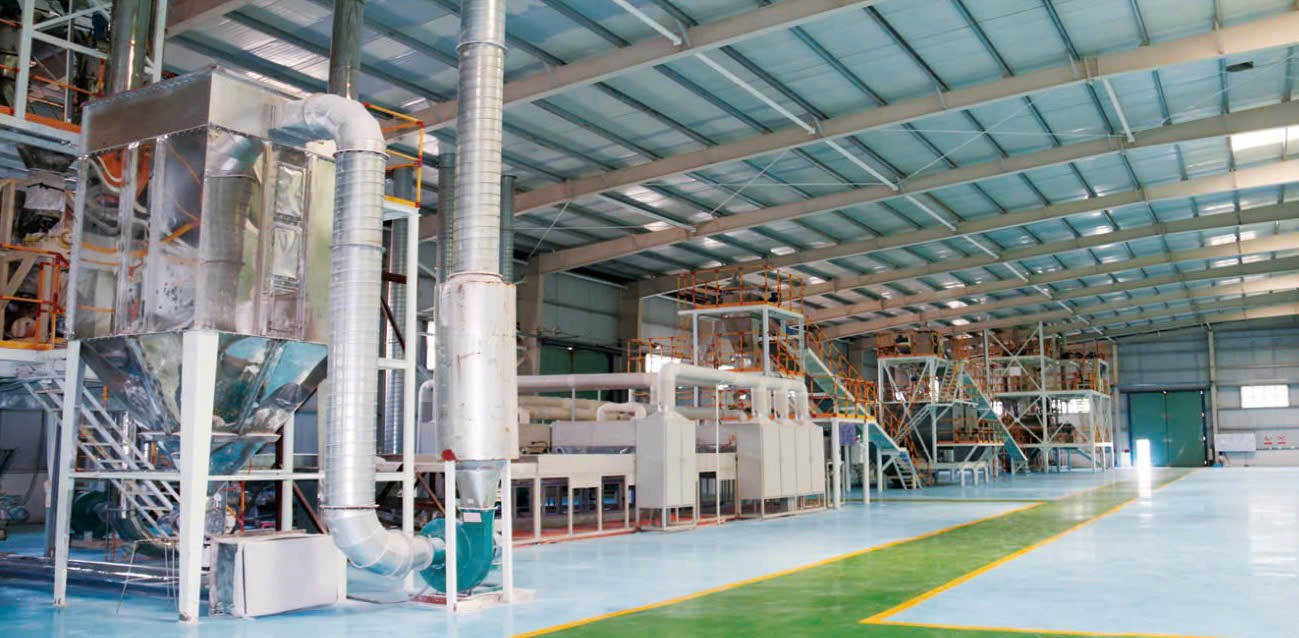
  • Vietnam is now home to large-scale refineries supported by multi-million-dollar investments, featuring highly automated and closed-loop processing systems designed to minimize the risk of external contamination.
  • These facilities operate under international quality and compliance frameworks required by global markets, including ISO 22000, USFDA, Halal, Kosher, and strict Non-GMO requirements.
  • Supported by abundant local raw materials and highly optimized processing ecosystems, these top-tier factories can offer highly competitive pricing compared with many traditional sourcing markets.

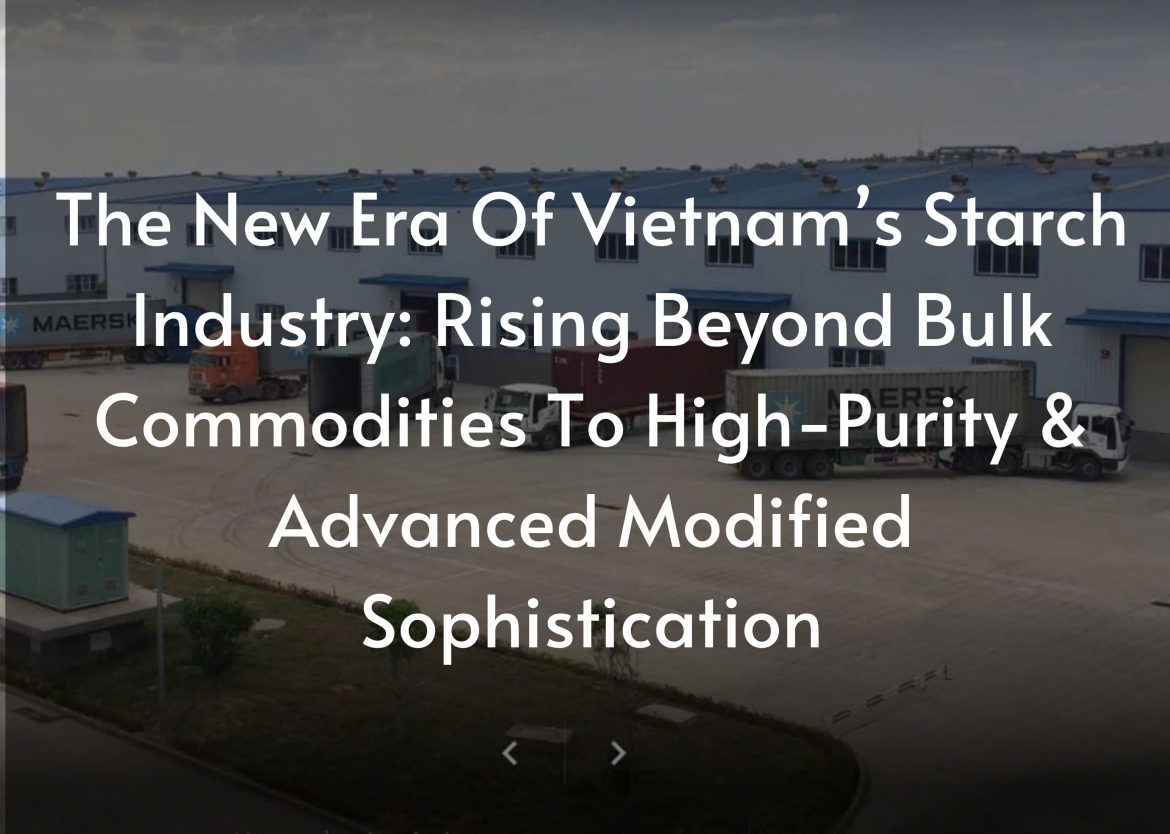
State-of-the-art tapioca starch factory in Vietnam. Source: Viego Global JSC

3. Mastering The “Hard Grades”: High Purity, High Whiteness & Advanced R&D

A. High Purity & Low-Residue Standards

  • Advanced multi-stage washing systems enable the production of high-purity starch with low SO₂ and chemical residues, helping meet strict technical requirements for sensitive sectors such as premium infant formula, dairy products, and pharmaceutical applications.

B. Superior Whiteness & Brightness Profiles

  • Premium-grade whiteness and brightness can be achieved while maintaining the starch’s functional integrity. This is particularly important for high-end applications such as premium paper coating, textile sizing, and bright-colored food products, where starch must not negatively affect the final product’s appearance.

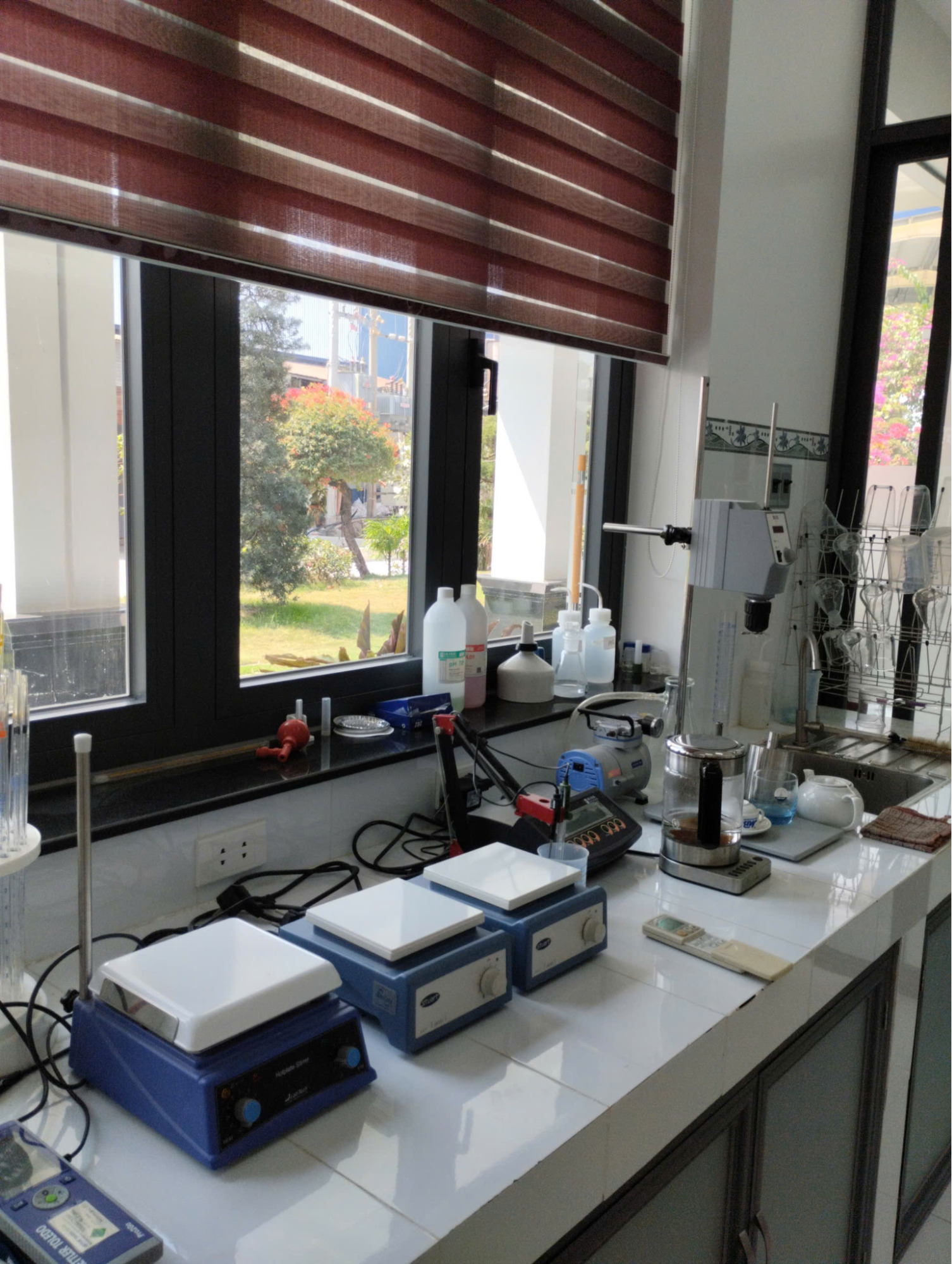
Testing and developing specialized starch formulations for industrial applications. Source: Viego Global JSC

C. Advanced Pregelatinized & Double-Modified Solutions

  • Pregelatinized E1404: By combining chemical modification through oxidation (E1404) with physical pre-gelatinization using specialized drum drying technology, manufacturers can produce instant binding solutions with cold-water solubility.
  • Double-Modified Starches: Advanced multi-stage chemical modification processes, including combinations of cross-linking and stabilization for products such as E1422 and E1442, can provide improved freeze-thaw stability and stronger resistance to acid and shear conditions required in demanding food applications.

Our advanced, high-purity, and double-modified starch solutions can also benefit from preferential tariff treatment under applicable major trade agreements, helping buyers access products that meet demanding technical requirements while optimizing overall sourcing costs.

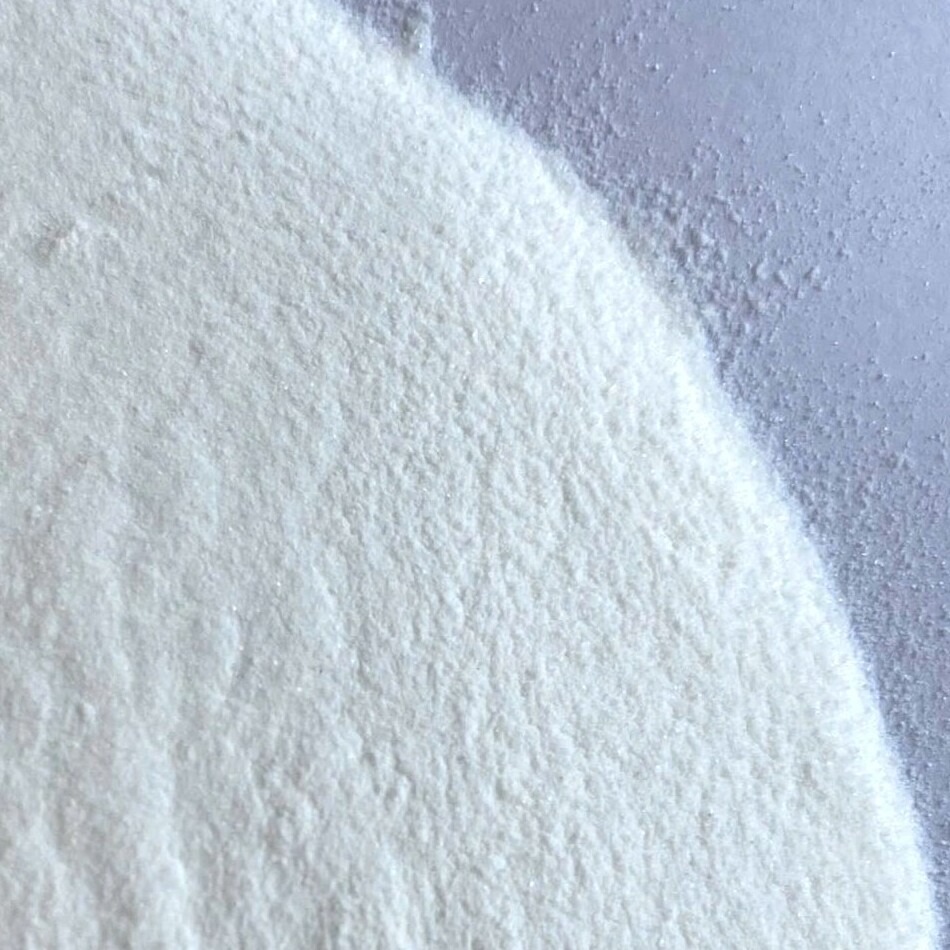
Pregelatinized oxidized starch (Pregel E1404). Source: Viego Global JSC

4. The Marketing Gap & The “Fake Factory” Trap: Why Global Buyers Are Missing Out

  • Many genuine, highly compliant, top-tier manufacturers focus primarily on technical production and engineering. As a result, they may lack international corporate teams or global marketing infrastructure capable of presenting their capabilities effectively to foreign brands.
  • This communication gap can be exploited by speculative trading companies that create websites using stock images or misleading credentials and claim ownership of large manufacturing facilities that they do not actually operate.
  • When international buyers unknowingly enter into contracts with such companies, they may face limited quality control, greater supply volatility when local prices fluctuate, and a lack of accountability when supply chain problems occur. Traditional transactional middlemen may also avoid disclosing the actual production source to protect their commercial margins.

5. Viego Global: Your Strategic Portal To Vietnam’s Advanced Starch Matrix

  • Viego Global helps bridge this gap by vetting, auditing, and developing direct commercial relationships with selected manufacturing partners across Vietnam.
  • We do not simply offer standard off-the-shelf products. We review buyers’ specific viscosity requirements, pH conditions, technical applications, and budget expectations before identifying the most suitable manufacturing partner and solution.
  • From centralized composite sample verification based on AQL standards to export packaging and maritime logistics coordination, Viego Global supports a more structured and professional sourcing process.

By combining access to Vietnam’s diverse manufacturing capabilities with centralized quality coordination, Viego Global helps international buyers identify suitable starch solutions based on their technical requirements, application needs, and sourcing objectives.

For specialized applications, Viego Global can support sourcing and sampling for advanced modified starch products, including E1420, E1422, Alpha Starch, and Pregelatinized E1404, based on specific functional requirements.

Export-ready tapioca starch packed for international shipment. Source: Viego Global JSC

Viego Global JSC – Your Trusted Sourcing Partner

The global supply chain increasingly demands diversification, consistency, and effective risk management. Vietnam should not be evaluated solely based on its historical position as a low-cost commodity supplier. Today, Vietnam’s starch industry has developed the capability to support more demanding manufacturing applications through high-purity products, advanced modified starch solutions, and increasingly modern production technologies. If you are looking for high-purity starch, advanced modified starch, or customized R&D solutions, the right sourcing partner can make a significant difference. Rather than relying on a generic supplier, working with a partner that understands both technical product requirements and the practical realities of international sourcing can help you identify solutions that better match your application and commercial objectives.

For any Vietnam’s starch or modified starch sourcing inquiry, please contact us directly at Whatsapp/Wechat: +84 98 352 4599 or email: marketing@viegoglobal.com. Whether you are evaluating high-purity requirements, advanced modified starch grades, or customized R&D parameters, Viego Global can help connect your technical specifications with suitable manufacturing capabilities in Vietnam. With access to Vietnam’s cassava-growing regions and a professional sourcing network across the country, Viego Global can support buyers throughout the sourcing and order execution process while helping deliver quality tapioca starch products at competitive prices.

Or in case you want to explore more about Vietnam tapioca starch first, below are our tapioca channels for latest update:

  • Website: https://vietnamtapiocastarch.vn/ or https://viegoglobal.com/category/vietnams-tapioca-market/
  • Instagram: instagram.com/native_modified_tapioca_starch
  • Tiktok: tiktok.com/@vntapiocastarch
  • Youtube: https://www.youtube.com/@VietnamTapiocastarchSupplier
  • Linkedin: https://www.linkedin.com/company/b-sky-native-and-modified-tapioca-starch/
8 September, 2026 0 comment
0 FacebookTwitterPinterestLinkedin
Vietnam Sourcing

The Hidden Risks Of Cheap Starch: Why Consistency And Compliance Matter Most In Global Sourcing

by Cam Hang 26 August, 2026
written by Cam Hang
  • International sourcing managers face constant pressure to optimize profit margins and reduce raw material costs amid an increasingly volatile global market.
  • An extremely low price per metric ton can appear highly attractive on a procurement spreadsheet.
  • However, pursuing short-term savings through speculative or unverified traders can often lead to serious logistics disruptions, customs rejections, and hidden operational expenses.

The “Volume Vs. Value” Trap In Vietnam’s Starch Industry

  • Vietnam is globally recognized as a major exporter of highly cost-competitive native tapioca starch, supporting significant bulk trade volumes every year.
  • This strong focus on high-volume, low-cost trading can create a systemic blind spot. In the pursuit of the lowest possible price, essential factors such as strict quality parameters, chemical consistency, and technical testing—particularly important for premium Modified Starch—can sometimes be overlooked.
  • Global buyers looking for high-grade and specialized applications, such as clean-label stabilizers or cationic sizing, can easily fall into this trap. They may expect European-level compliance from supply chains that were primarily structured for low-cost, bulk commodity trading.

The Anatomy Of Compromised Quality & Transit Failures

A. Raw Material Adulteration: The Cheap Blending Trick

  • Fragmented trading companies may source high-quality local starch and blend it with lower-grade, inexpensive imported starch from neighboring countries to artificially reduce their selling prices.
  • This practice can result in a finished product with unstable chemical properties. It can affect viscosity stability, change gelatinization temperatures, and cause the product to fail strict international laboratory evaluations.

B. The Packaging Illusion: Good Product, Bad Protection

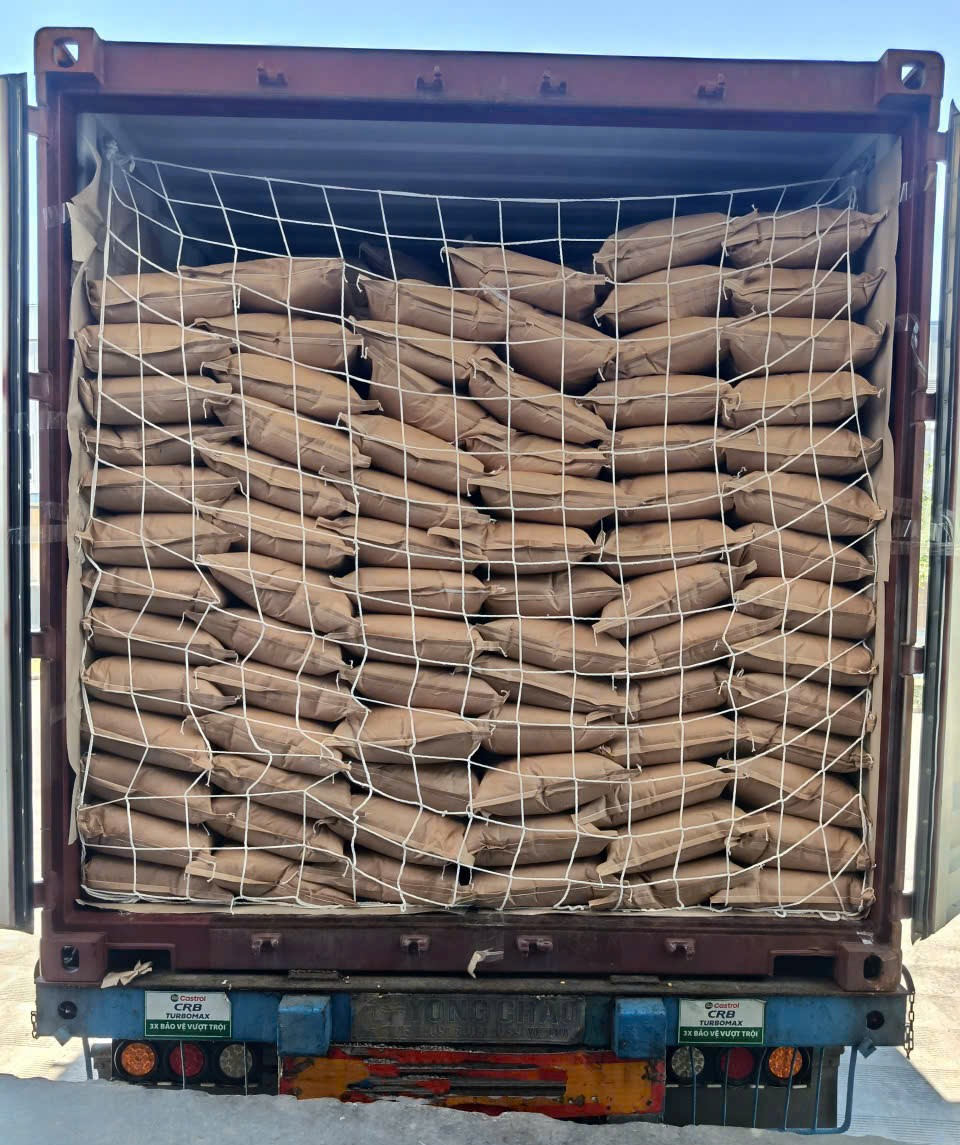
  • Many local factories are capable of producing high-quality starch, but some reduce export packaging standards to lower costs. This may include using thin, single-layer woven bags, sub-standard inner plastic liners, and failing to protect containers with Kraft paper or properly secure pallets.
  • Although these packages may appear completely acceptable when leaving the local factory, they may not be suitable for long-distance maritime transportation lasting 30–45 days at sea.
    • Moisture & Humidity: Without heavy-duty Kraft paper lining inside the container, condensation from the sea environment can drip directly onto the cargo, causing the starch to clump, develop mold, and deteriorate.
    • Physical Destruction: Loose pallet wrapping and weak packaging can allow cargo to shift during rough ocean transportation. Bags may burst, tear, or leak, resulting in heavily damaged and unusable cargo upon arrival.

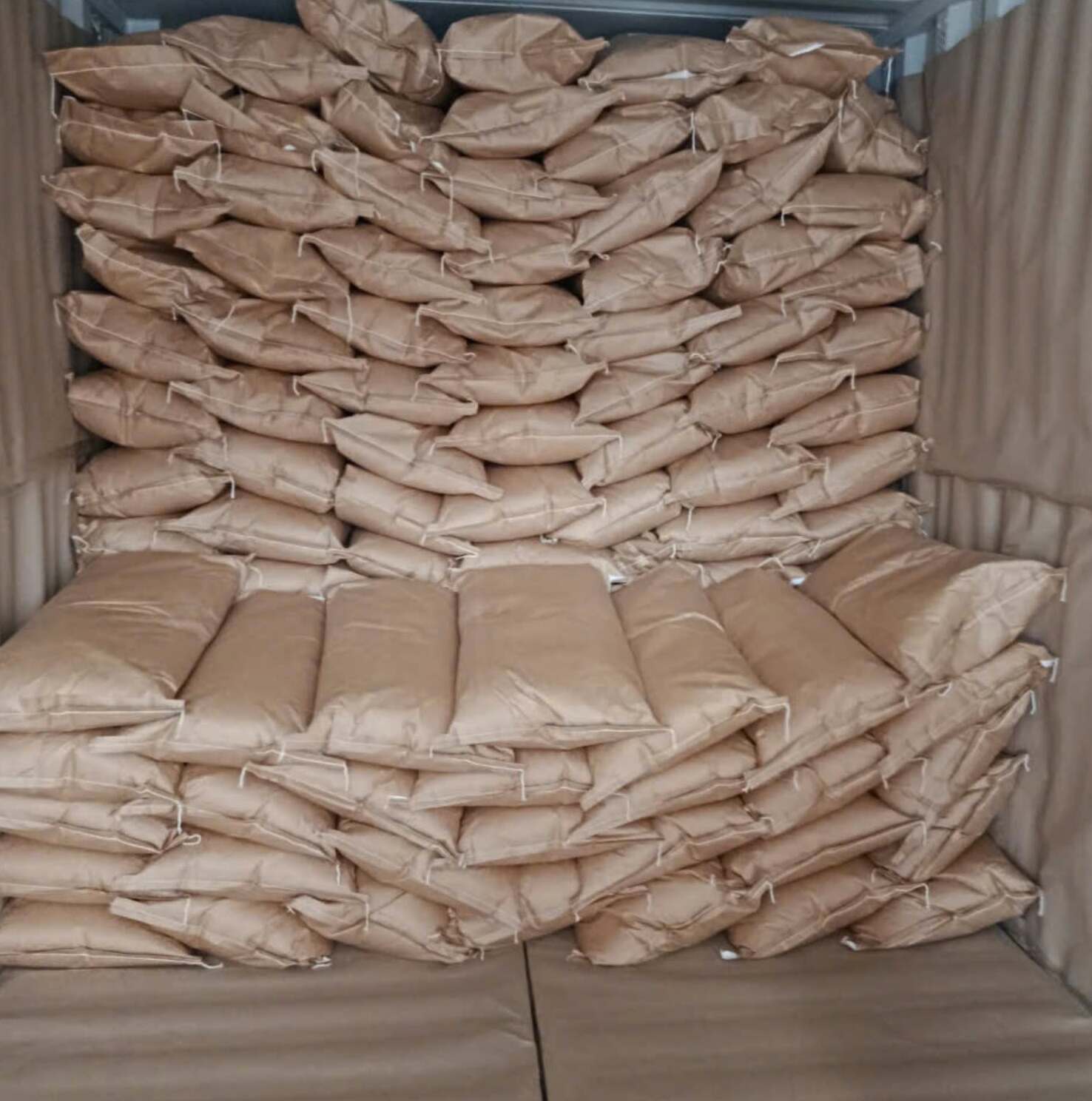
Kraft paper-lined packaging for tapioca starch export. Source: Viego Global JSC

The True Penalty Of “Cheap” For Global Multinationals

  • Non-compliant, blended, or water-damaged cargo may fail strict food safety requirements, resulting in container detention and significant daily port storage or demurrage charges.
  • When a critical raw material arrives damaged or unusable, production lines may be forced to stop completely. The financial impact of an idle manufacturing facility can far exceed the initial procurement savings.
  • For public or multinational corporations, even a single quality failure or supply chain breach in the end market can negatively affect consumer confidence and brand reputation.

The Viego Global Network: Fit-For-Purpose Sourcing & Centralized QA

At Viego Global, we do not follow a rigid “one-size-fits-all” sourcing model. Instead, we coordinate a diverse, multi-tier network of verified manufacturing partners throughout Vietnam. This enables us to match the most suitable production facility—from efficient regional mills to state-of-the-art, fully automated mega-refineries—with each buyer’s specific technical application, budget, and volume requirements.

Regardless of the production tier selected to meet a buyer’s target price, our quality baseline remains non-negotiable:

  • We do not rely solely on verbal assurances from factories. For every shipping batch, a statistically representative composite sample is collected from the production lot and sent to our centralized quality desk or independent certified testing partners.
  • Our team applies strict Acceptable Quality Limit (AQL) parameters to independently verify critical specifications, including viscosity stability, moisture content, and chemical purity.
  • No container is approved for packing or sealed for ocean freight until our central quality gate provides formal compliance clearance.

By combining the production efficiency of our diverse factory network with Viego Global’s centralized quality control system, we provide global corporations with what they need most: optimized procurement costs without compromising supply chain reliability.

Not only do we protect your physical cargo, but we also help protect your financial bottom line by providing properly verified Certificates of Origin (C/O) that can support 0% tariff access to the EU, UK, and Asian markets under applicable trade agreements such as EVFTA, CPTPP, and UKVFTA.

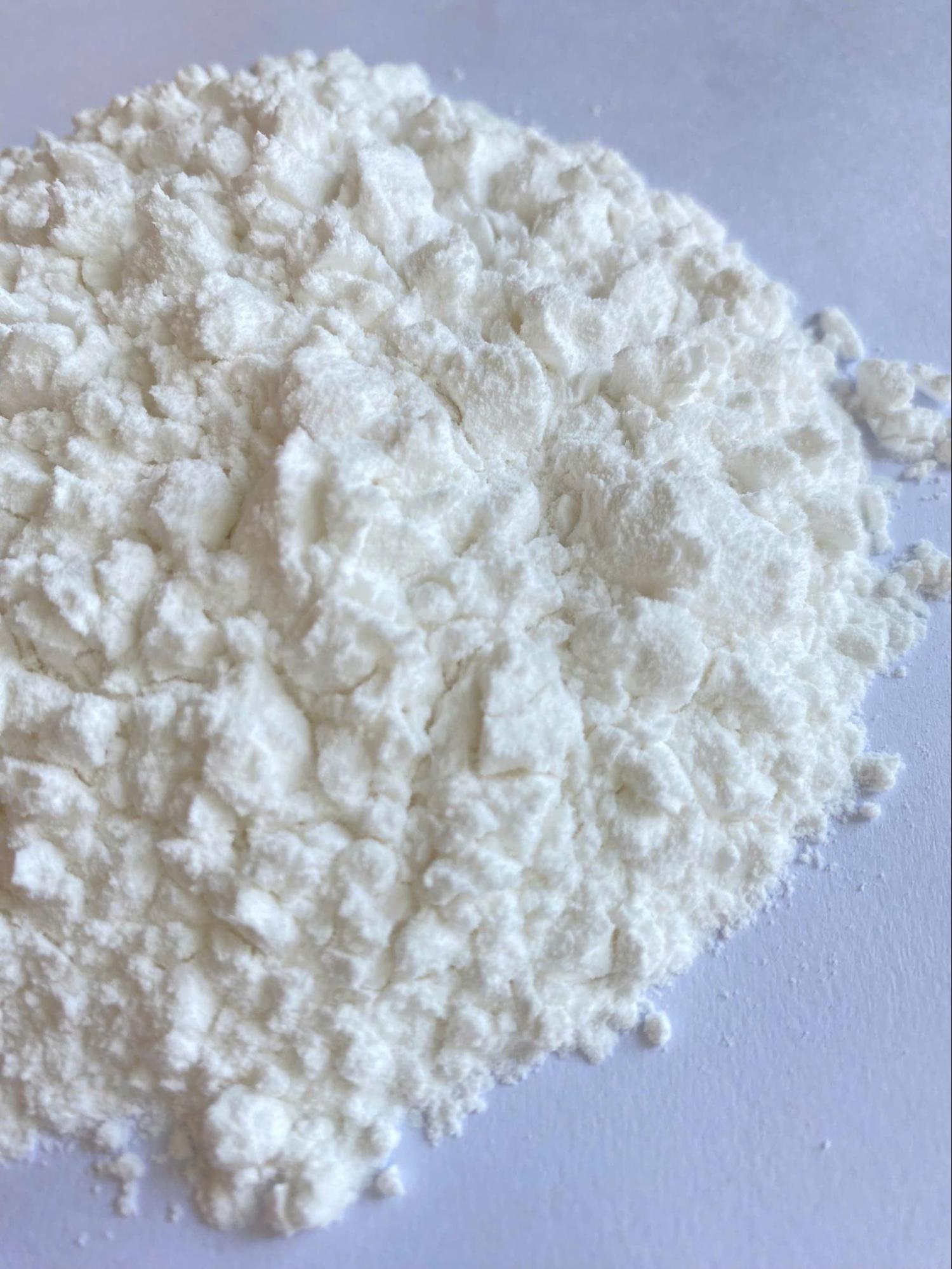
Tapioca starch E1420 high whiteness from Vietnam. Source: Viego Global JSC

For buyers requiring specific functional properties, Viego Global can also support sourcing and sampling for specialized Modified Starch grades such as E1420, E1422, Alpha Starch and Pregelatinized Oxidised Starch (E1404).

Viego Global JSC – Your Trusted Sourcing Partner 

In enterprise-level procurement, consistency and predictability are the ultimate currencies. Protecting your brand’s operational integrity is far more valuable than pursuing high-risk, unusually low-cost offers. If you are sourcing modified starch for industrial applications or looking for a reliable supplier for long-term procurement, the right starch partner makes all the difference. Don’t settle for a generic supplier when you can collaborate with a sourcing partner that understands both product quality and the practical requirements of global starch sourcing.

For any Modified Starch or Cheap Starch sourcing inquiry, please contact us directly at Whatsapp/Wechat: +84 98 352 4599 or email: marketing@viegoglobal.com. Connect with our team to arrange complimentary modified starch samples, including E1420, E1422, and Alpha Starch, for immediate laboratory benchmarking. Being present at the cassava-growing location and the economic centre of Vietnam, Viego Global can greatly help you professionally source and execute orders, providing maximum benefits to our clients in terms of delivering quality tapioca products at competitive price.

Or in case you want to explore more about Vietnam tapioca starch first, below are our tapioca channels for latest update:

  • Website: https://vietnamtapiocastarch.vn/ or https://viegoglobal.com/category/vietnams-tapioca-market/
  • Youtube: https://www.youtube.com/@VietnamTapiocastarchSupplier
  • Linkedin: https://www.linkedin.com/company/b-sky-native-and-modified-tapioca-starch/
26 August, 2026 0 comment
0 FacebookTwitterPinterestLinkedin
Vietnam's Energy Market

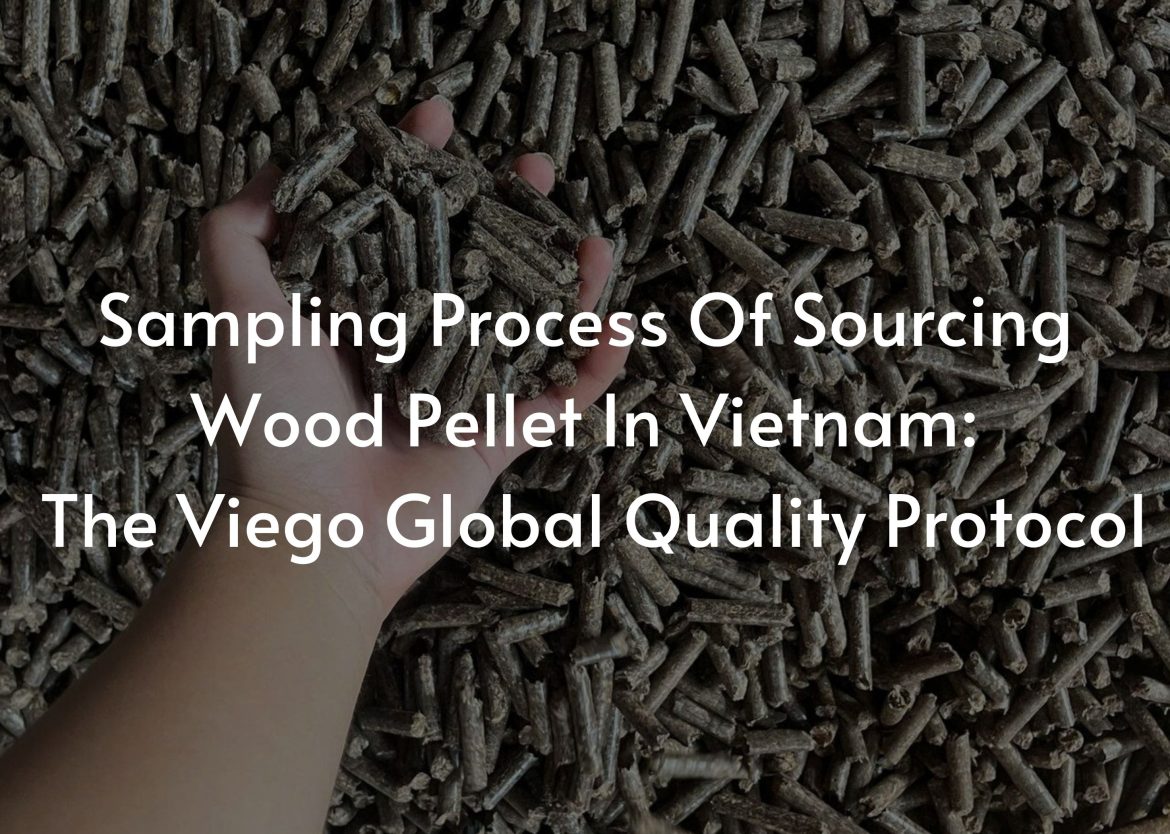
Sampling Process Of Sourcing Wood Pellet In Vietnam: The Viego Global Quality Protocol

by Cam Hang 14 August, 2026
written by Cam Hang

When global procurement directors consider sourcing Wood Pellet from Vietnam, their attention naturally focuses on major parameters such as securing thousands of metric tons per month, verifying sustainable forestry certifications (PEFC/SBP), and negotiating competitive FOB pricing structures. However, experienced industrial biomass traders understand that a supplier’s true operational capability is often demonstrated through a much smaller but equally critical stage: the sampling process.

For utility-grade energy sectors across North Asia, a laboratory sample is far more than a commercial formality. It serves as a technical baseline for evaluating the actual production material. Before an international buying group enters into a multi-year purchase framework agreement, its technical team needs to test the physical sample for net calorific value (NCV), moisture content, and ash levels. If the sample deteriorates or absorbs moisture during transportation, the entire trade opportunity can fail before negotiations even begin.

This operational guide outlines the standardized, zero-fault sampling and packaging process implemented by Viego Global to connect large-scale wood pellet production in Vietnam with laboratory testing standards used by buyers worldwide.

1. The Critical Risks Of Biomass Sampling During Air Transit

Wood pellets are highly hygroscopic materials, meaning they can readily absorb moisture from the surrounding environment when exposed to air.

When a physical sample is transported from a manufacturing facility in Vietnam to an overseas buyer through rapid international air freight, the package may be exposed to significant changes in air pressure, temperature, and relative humidity within aircraft cargo holds and airport handling areas. Conventional packaging can fail under these conditions, resulting in several serious issues:

  • Artificial NCV Deflation: Even a 1% increase in moisture absorption during air transit can artificially reduce the measured Net Calorific Value (NCV) in the buyer’s laboratory testing, potentially resulting in unfair price deductions or immediate sample rejection.
  • Mechanical Degradation (Fines Generation): Turbulence and movement at high altitude can create continuous friction between individual pellets. Without adequate physical immobilization, the pellets can rub against each other, reducing a premium-grade sample to dust and fines.

2. Step-By-Step Sampling And Packaging Protocol At Viego Global

To minimize environmental variables and ensure that technical specifications remain as close as possible to the original factory condition upon arrival, Viego Global applies a strict multi-layer protection framework to all international sample shipments:

Phase A: Heavy-Duty Vacuum Stabilization (Our Core Standard)

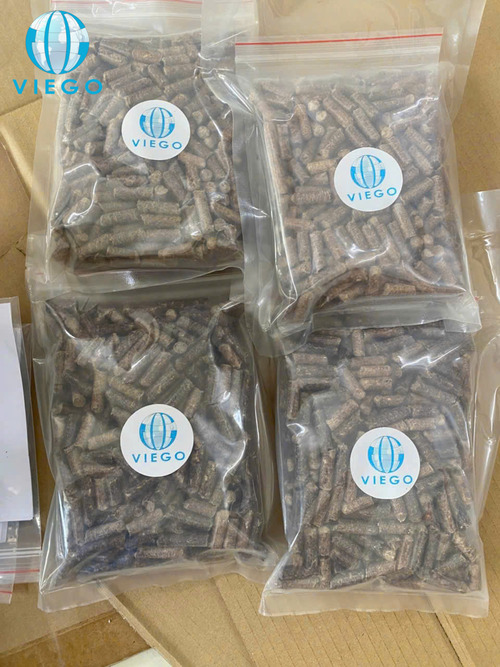
Samples are collected directly from the facility’s cooling lines to preserve the clean, dry baseline of the manufactured product. The wood pellets are weighed into industrial-grade polyethylene (PE) bags carrying the official Viego Global corporate branding.

All ambient air is mechanically removed using commercial vacuum sealers before the bags are closed with a heavy-duty continuous heat seal. This vacuum-sealing process immobilizes the pellets and prevents friction between them, significantly reducing the risk of dust and fine generation during air transit.

Wood Pellet vacuum-sealed laboratory samples from Vietnam

Vacuum-sealed wood pellet laboratory samples with Viego Global branded labels before export distribution.

Phase B: Shock-Absorbent Cushioning (Bubble Wrap Insulation)

The vacuum-sealed primary bags are carefully wrapped with multiple layers of high-density bubble wrap. This secondary protective layer acts as a shield against impact, helping absorb shocks and protect the vacuum seals from rough handling by airport ground crews and cargo terminal personnel.

Phase C: Rigid Exterior Shelling And Foam Bracing

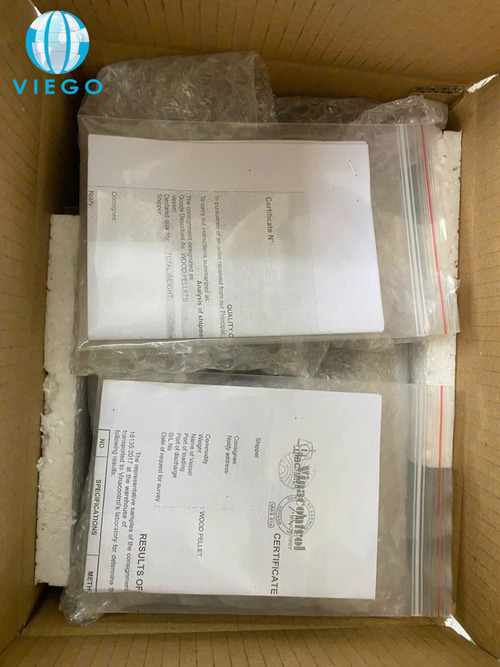
The cushioned sample packages are placed inside heavy-duty, double-wall corrugated cardboard shipping containers. Any remaining empty spaces inside the boxes are firmly filled with high-rigidity foam bracing or shock-absorbing paper to keep the samples securely in place throughout transportation. The entire outer container is then wrapped with heavy-duty, water-resistant industrial packaging film and reinforced with strong adhesive tape.

Wood Pellet samples with bubble wrap and foam packaging

Rigid outer cardboard box with bubble-wrapped samples and molded foam bracing around the box

3. Compliance Documentation And Secure Data Integration

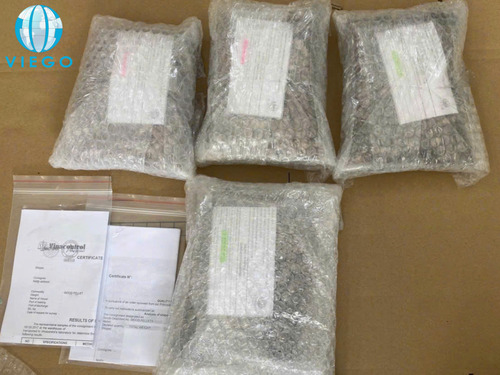
A properly packaged sample also requires immediate and verified technical documentation before the physical cargo reaches the international laboratory for testing. To ensure that the technical evaluation can proceed efficiently, Viego Global securely places a pre-vetted, brand-aligned technical folder directly inside the shipping container.

Instead of using raw facility documents that could compromise supply chain confidentiality, we include a carefully prepared copy of historical technical data certified by independent institutions such as SGS or Vinacontrol. This verified information is organized alongside dedicated product-grade labels within the protective packaging layers, providing clear data on moisture, ash, and calorific value thresholds while protecting the proprietary integrity of our sourcing network.

Wood Pellet sample with Vinacontrol SGS COA document

Vinacontrol/SGS COA document placed beside the bubble-wrapped sample

Professional Posture Lives In The Details

When evaluating a strategy for sourcing wood pellets from Vietnam, remember that a supplier’s sampling process reflects its overall operational standards. When a foreign procurement team opens an exterior shipping carton and finds a clean, tightly vacuum-sealed, professionally branded, double-protected sample package accompanied by complete documentation, they can immediately recognize that they are working with a reliable sourcing partner.

By enforcing these strict sampling protocols, Viego Global helps preserve the laboratory characteristics of its products, protects its trade shipments from external variables, and builds strong professional trust with global buying partners from the very first interaction.

Viego Global JSC – Your Trusted Sourcing Partner

If you are evaluating wood pellet suppliers in Vietnam, conducting laboratory trials, or preparing for long-term biomass procurement, the right sourcing partner makes all the difference. Don’t settle for a generic supplier when you can collaborate with a sourcing partner that understands both the quality requirements and the practical challenges of international wood pellet supply.

For any Wood Pellet sourcing inquiry, please contact us directly at Whatsapp/Wechat: +84 56 264 6315 or email: hello@viegoglobal.com. Viego Global can greatly help you professionally source and execute orders, providing maximum benefits to our clients in terms of delivering quality wood pellets at competitive price.

14 August, 2026 0 comment
0 FacebookTwitterPinterestLinkedin
Vietnam's Tapioca Market

PREGELATINIZED E1404: THE SUSTAINABLE FUTURE OF INDUSTRIAL WASTEWATER TREATMENT

by Cam Hang 20 May, 2026
written by Cam Hang

In the Water treatment and industrial wastewater treatment field, the shift toward “green chemistry” is no longer just a trend but a regulatory requirement. Although synthetic polymers have long been the dominant choice in the market, Pregelatinized E1404 (Oxidized Starch) is now emerging as a strong bio-based alternative for flocculation and coagulation processes. For international distributors and environmental consultants, sourcing a high-quality modified starch that ensures both good performance and cost efficiency remains the main objective.

What is Pregelatinized Oxidised Starch?

Pregelatinized oxidized starch (also known as pregelatinized oxidised starch or Pregelatinized E1404) is a type of starch that is modified through two processes: chemical oxidation and physical pregelatinization.

Oxidation (chemical modification): Native starch is treated with an oxidizing agent such as sodium hypochlorite. This process partially breaks down glucose units and introduces carbonyl and carboxyl groups. As a result, the starch has lower viscosity, improved stability, better film-forming ability, and reduced retrogradation, meaning it is less likely to gel or harden over time.

Pregelatinization (physical modification): After oxidation, the starch is cooked using heat and moisture to gelatinize it, then dried—typically by drum drying or spray drying—and ground into a fine powder. This process breaks down the natural granular structure of the starch, allowing it to dissolve in cold water without requiring heat.

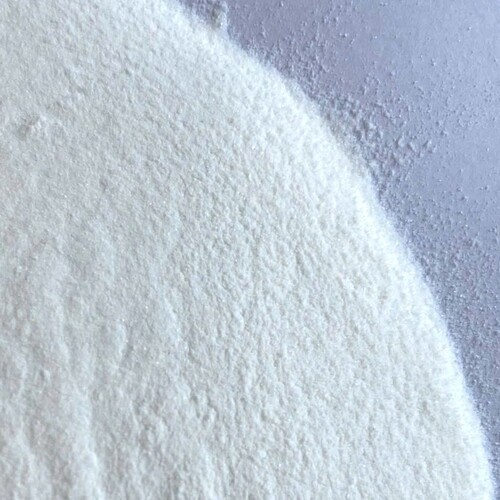
Pregelatinized oxidized starch (Pregel E1404). Source: Viego Global JSC

Why Pregel E1404 for Water Treatment?

Pregelatinized Oxidized Starch (E1404) provides several unique advantages that synthetic chemicals cannot easily achieve:

  • Instant solubility in cold water: Unlike conventional starches, this pregelatinized form dissolves immediately in cold water, making it easy and fast to prepare flocculant solutions directly at the application site.
  • Improved flocculation performance: The oxidation process introduces carboxyl groups, which significantly enhance the starch’s ability to capture and bind suspended particles, heavy metals, and organic impurities.
  • Biodegradable and eco-friendly: This starch is fully biodegradable and helps lower the chemical oxygen demand (COD) in wastewater compared to petroleum-based polymers, making it a more environmentally friendly choice.

The Vietnam Advantage: Technology Meets Trade

Sourcing Pregel E1404 from a specialized manufacturer in Vietnam gives you a strategic advantage that goes beyond laboratory performance.

  1. R&D Exclusivity & Customization

Unlike most suppliers that only provide standard products, our facility is the first in Vietnam with the R&D capability to adjust Pregel E1404 specifications. Depending on your needs—such as stronger viscosity for sludge dewatering or specific solubility behavior for municipal water treatment—we can tailor the product structure to match your equipment and application requirements.

  1. Maximize Your Margins with Vietnam’s Global FTA Network

Sourcing from our facility can help you reduce or even eliminate import duties in many global markets. We provide complete export documentation to support key trade agreements, including:

  • EVFTA: 0% tariff for European Union countries such as Germany, France, and the Netherlands
  • UKVFTA: Preferential tariff access for the United Kingdom
  • CPTPP: 0% duty benefits for markets including Canada, Australia, Mexico, and Japan
  • RCEP & ASEAN: Simplified trade procedures and tariff advantages across China, South Korea, and Southeast Asia
  • VJEPA / AJCEP: Special tax incentives for the Japanese industrial market
  1. Industrial-Scale Packaging

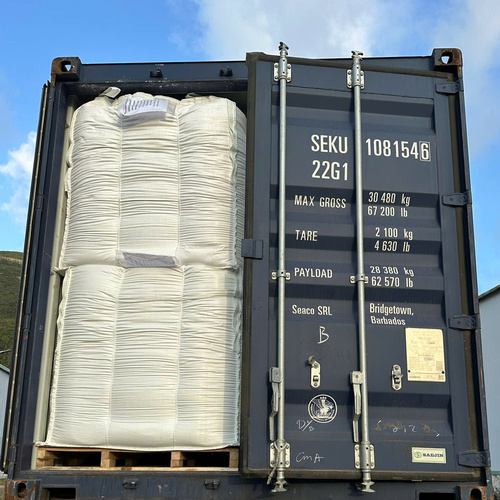
We understand the requirements of large-scale water treatment projects. That’s why we offer full container load (FCL) shipments in 500–850 kg big bags, designed to support industrial handling systems and help reduce overall logistics and labor costs.

Full container load of tapioca starch in big bags. Source: Viego Global JSC

Viego Global JSC – Your Trusted Sourcing Partner

If you are running experimental trials or optimizing an existing wastewater process, the right starch partner makes all the difference. Don’t settle for a generic supplier when you can collaborate with an R&D leader that understands both the chemistry and the commerce of water treatment.

For any Pregelatinized Oxidised Starch inquiry, please contact us directly at Whatsapp/Wechat: +84 98 352 4599 or email: marketing@viegoglobal.com. Being present at the cassava-growing location and the economic centre of Vietnam, Viego Global can greatly help you professionally source and execute orders, providing maximum benefits to our clients in terms of delivering quality tapioca products at competitive price.

Or in case you want to explore more about Vietnam tapioca starch first, below are our tapioca channels for latest update:

  • Website: https://vietnamtapiocastarch.vn/ or https://viegoglobal.com/category/vietnams-tapioca-market/
  • Instagram: instagram.com/native_modified_tapioca_starch
  • Tiktok: tiktok.com/@vntapiocastarch
  • Youtube: https://www.youtube.com/@VietnamTapiocastarchSupplier
  • Linkedin: https://www.linkedin.com/company/b-sky-native-and-modified-tapioca-starch/
20 May, 2026 0 comment
0 FacebookTwitterPinterestLinkedin
Vietnam's Tapioca Market

PREMIUM E1420 FROM VIETNAM: THE TRUSTED CHOICE FOR GLOBAL NOODLE MANUFACTURERS

by Cam Hang 18 May, 2026
written by Cam Hang

High-quality ingredients play an important role in premium noodle production, especially in maintaining texture and appearance. Vietnam-based tapioca starch are increasingly supporting global manufacturers with stable quality and efficient export advantages. Premium E1420 is specially developed to meet the strict requirements of modern instant noodle production.

The Standard For Global Leaders In Noodles Production

In the premium instant noodle industry, there is no room for error. The world’s top brands focus on two key requirements: outstanding whiteness and stable elasticity. With a specialized R&D facility in Vietnam, we have developed a grade of E1420 Acetylated Starch that meets the strict standards of leading global brands.

Why Our Premium E1420 Stands Out

Acetylated Starch E1420, also known as Starch Acetate (INS1420), is a modified tapioca starch made by esterifying native cassava starch with acetic anhydride or vinyl acetate. This esterification or acetylation process replaces hydroxyl groups with acetyl ester groups.

Tapioca starch E1420 high whiteness from Vietnam. Source Viego Global JSC

For our premium product line, the modified tapioca starch E1420 is carefully processed to meet the expectations of even the most demanding food manufacturers.

  • Industry-Leading Whiteness: Our specialized purification process helps remove impurities that can cause yellowing in noodle dough. This creates a bright, clean, and premium appearance that remains stable during drying or frying.
  • Customized Texture (R&D Support): We understand that a standard E1420 may not suit every production line. Our R&D team can adjust the substitution levels to help your noodles keep their desired chewiness and maintain an “al dente” texture after rehydration.
  • Fast Lead Times: Thanks to our strategic location in Vietnam, we are able to provide faster delivery cycles compared to many traditional suppliers, helping your high-speed production lines operate without interruption.

Whether you are improving an existing recipe or developing a new premium product line, our E1420 provides the technical and cost-effective support you need. We specialize in high-volume supply and flexible packaging options, including big bags, paper bags, and PP/PE bags, designed to improve efficiency for both food and industrial production.

High quality modified tapioca starch in paper bag and palletized packing. Source: Viego Global JSC

Vietnam-Based Tapioca Starch In Global Trade Advantage: Sourcing Without Borders

Another major advantage for international partners choosing Vietnam-based tapioca starch is access to a wide network of Free Trade Agreements (FTAs). By sourcing from Vietnam, you not only receive premium-quality products but also benefit from lower overall import costs.

  • EVFTA & UKVFTA: Reduced or 0% import duties for the European Union and the United Kingdom.
  • CPTPP: Full duty-free benefits for markets such as Canada, Australia, Japan, and Mexico.
  • RCEP: More efficient trade opportunities across the Asia-Pacific region.

Vietnam’s strategic export network supports efficient global tapioca starch trade.

Viego Global – Your Trusted Sourcing Partner In Vietnam

Given that Vietnam has plenty of tapioca starch suppliers, it is not easy to find a trustworthy supplier to work with though. Let’s answer the questions below before conducting your sourcing:

  • Are you going to import Premium E1420 tapioca starch which are non-GMO, gluten-free, vegan, and plant-based?
  • Are you looking for Premium E1420 sources in different grades with quality consistency and price competitiveness?
  • Are you finding a Vietnamese trusted food-grade Premium E1420 supplier with various standards?

If your answer is yes for all, please contact us directly at Whatsapp/Wechat: +84 98 352 4599 or email: marketing@viegoglobal.com. Being present at the starch-manufacturing location and the economic centre of Vietnam, Viego Global can greatly help you professionally source and execute orders, providing maximum benefits to our clients in terms of delivering quality Premium E1420 products at competitive prices.

Or in case you want to explore more about Vietnam Premium E1420, below are our channels for latest update:

  • Website: https://vietnamtapiocastarch.vn/ or https://viegoglobal.com/category/vietnams-tapioca-market/
  • Instagram: instagram.com/native_modified_tapioca_starch
  • Tiktok: tiktok.com/@vntapiocastarch
  • Youtube: https://www.youtube.com/@VietnamTapiocastarchSupplier
  • Linkedin: https://www.linkedin.com/company/b-sky-native-and-modified-tapioca-starch/
18 May, 2026 0 comment
0 FacebookTwitterPinterestLinkedin

Keep in touch

Facebook Twitter Pinterest Linkedin Youtube

Recent Posts

  • The FTA Arbitrage: De-Risking Global Chemical Portfolios Via Vietnam’s Tariff-Exempt Cationic & Oxidized Supply Corridors

    29 September, 2026
  • The Strategic Shift: Why Global Industries Are Engineering Tapioca Starch As The Ultimate Alternative To Potato Starch

    16 September, 2026
  • The New Era Of Vietnam’s Starch Industry: Rising Beyond Bulk Commodities To High-Purity & Advanced Modified Sophistication

    8 September, 2026
  • The Hidden Risks Of Cheap Starch: Why Consistency And Compliance Matter Most In Global Sourcing

    26 August, 2026
  • Sampling Process Of Sourcing Wood Pellet In Vietnam: The Viego Global Quality Protocol

    14 August, 2026

Category

  • News
  • Vietnam Fruit Market
  • Vietnam Industrial Sector
  • Vietnam Seafood Market
  • Vietnam Sourcing
  • Vietnam Spices Market
  • Vietnam's Agriculture Market
  • Vietnam's Coffee Market
  • Vietnam's Construction Material
  • Vietnam's Consumer Goods
  • Vietnam's Energy Market
  • Vietnam's Flooring Market
  • Vietnam's Furniture Market
  • Vietnam's Garment Market
  • Vietnam's Natural Rubber Market
  • Vietnam's Nut Market
  • Vietnam's Rice Market
  • Vietnam's Tapioca Market

VIEGO GLOBAL JSC

Registered office address: Villa No. 8, Str. 14, Ward 26, Binh Thanh Dist., HCMC, Vietnam

Operating address: Vinhomes Golden River Aqua 1, No. 2, Ton Duc Thang Str., Ben Nghe Ward, Dist. 1, HCMC, Vietnam

Tax ID: 0316409631

Contact information

hello@viegoglobal.com

+84 562 646 315

Hour: 8:00am – 5:00pm

Monday – Friday

  • Facebook
  • Twitter
  • Pinterest
  • Linkedin
  • Youtube