VIEGO GLOBAL
  • Home
  • About us
  • Services
  • Blog
    • Vietnam’s Agriculture Market
      • Coffee
      • Tapioca Products
      • Spices
      • Fruit
      • Nuts
      • Rice
      • Seafood
    • Vietnam’s Energy Market
    • Vietnam’s Industrial Sector
      • Construction Materials
      • Furniture
      • Flooring
      • Natural Rubber
    • Vietnam’s Consumer Goods
    • Vietnam Sourcing
    • News
  • Join us
    • Join Our Team
    • Become a Supplier
  • Contact Us
  • EnglishEnglish
    • EnglishEnglish
    • Tiếng ViệtTiếng Việt
    • EspañolEspañol
    • 中文 (中国)中文 (中国)
    • 한국어한국어
    • РусскийРусский
    • FrançaisFrançais
    • Bahasa IndonesiaBahasa Indonesia
    • العربيةالعربية
    • NederlandsNederlands
    • বাংলাবাংলা
    • 日本語日本語
VIEGO GLOBAL
  • Home
  • About us
  • Services
  • Blog
    • Vietnam’s Agriculture Market
      • Coffee
      • Tapioca Products
      • Spices
      • Fruit
      • Nuts
      • Rice
      • Seafood
    • Vietnam’s Energy Market
    • Vietnam’s Industrial Sector
      • Construction Materials
      • Furniture
      • Flooring
      • Natural Rubber
    • Vietnam’s Consumer Goods
    • Vietnam Sourcing
    • News
  • Join us
    • Join Our Team
    • Become a Supplier
  • Contact Us
  • EnglishEnglish
    • EnglishEnglish
    • Tiếng ViệtTiếng Việt
    • EspañolEspañol
    • 中文 (中国)中文 (中国)
    • 한국어한국어
    • РусскийРусский
    • FrançaisFrançais
    • Bahasa IndonesiaBahasa Indonesia
    • العربيةالعربية
    • NederlandsNederlands
    • বাংলাবাংলা
    • 日本語日本語
Author

Viego Blog

Viego Blog

Vietnam Fruit MarketVietnam's Agriculture Market

AN INTRODUCTION TO VIETNAM FRUIT MARKET

by Viego Blog 14 May, 2024
written by Viego Blog

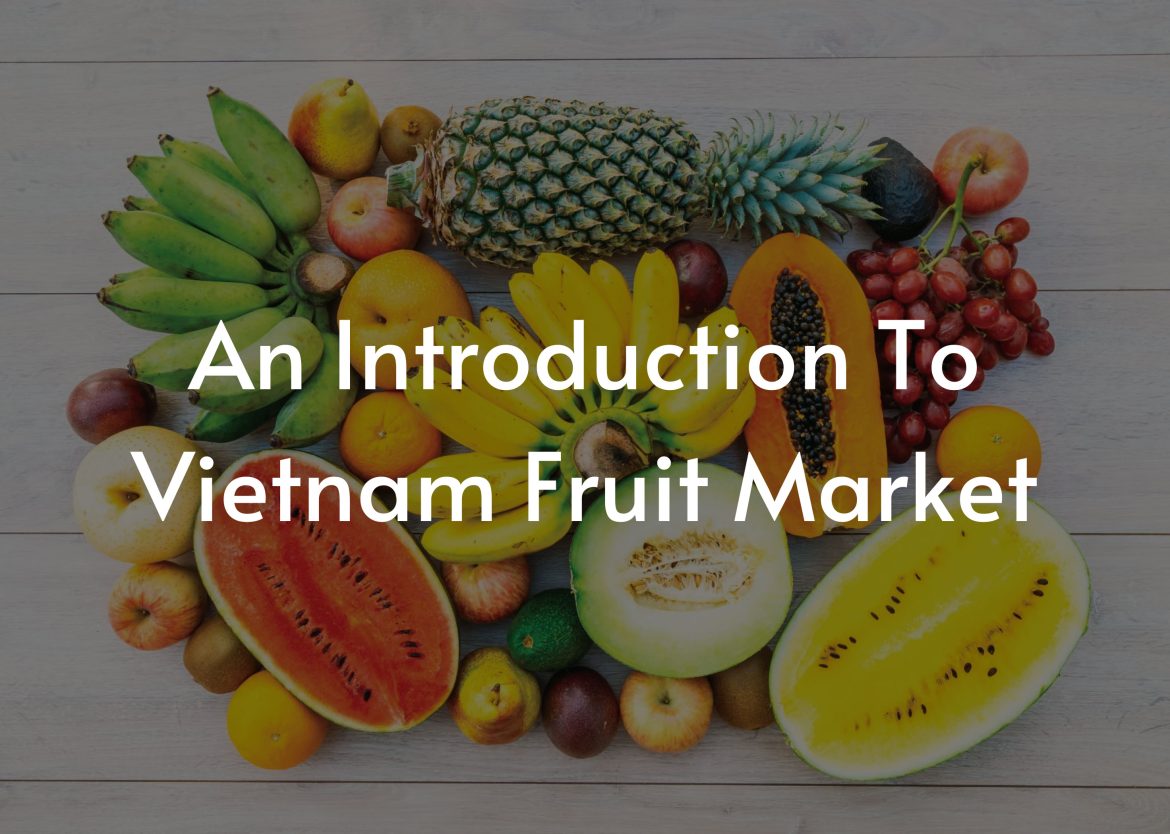
Vietnam fruit market is incredibly diverse and vibrant, reflecting the country’s rich agricultural heritage and favorable climate for growing a wide variety of fruits. Fruit is nature’s delicious gift, offering a wide range of flavors, textures, and nutrients. Whether you enjoy them fresh, dried, or juiced, Vietnam can be your supplier for different fruit types. This article will bring you to the fruit world in Vietnam.
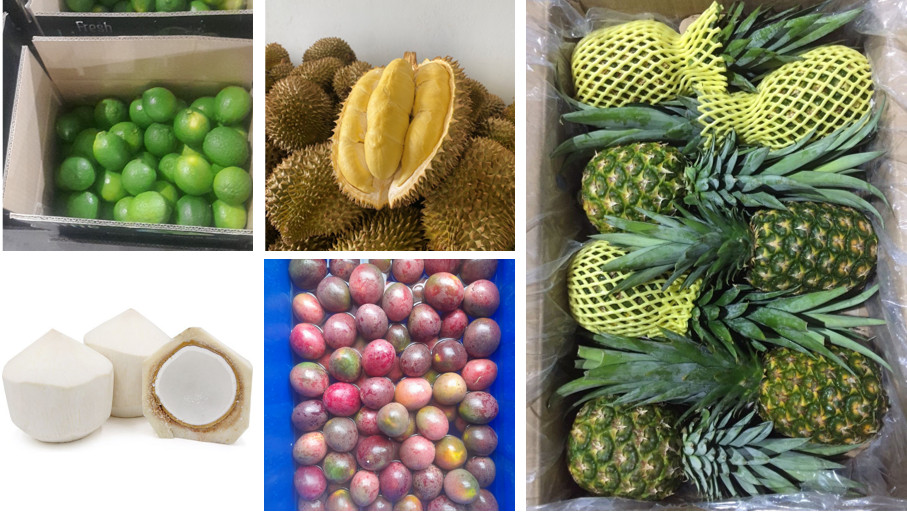
Different types of fresh fruits from Vietnam. Source: Viego Global

Vietnam fruit market at a glance

Vietnam is a developing country and one of the fastest growing economies in the world. Although aiming for economic growth based on industry and services, the agricultural sector still plays an important role in the Vietnamese economy. In the agricultural sector, the fruit industry has great potential in both production and export, because Vietnam is a tropical country with favorable land and climate conditions suitable for the production of many types of fruit.

The country is one of a few in the world that produces many types of tropical fruits with large yields. Famous specialty fruits known around the world include grapefruit, dragon fruit, star apple, mango, durian, rambutan, longan, lychee, watermelon,…

According to the Department of Crop Production, Ministry of Agriculture and Rural Development, Vietnam’s fruit growing area currently has about 1.2 million hectares with about 50 types of fruit, including temperate, subtropical and tropical fruits. Among them, tropical fruits have great advantages in export.

In addition to growing fresh fruit, Vietnam has developed a fruit processing industry with the desire to preserve fruit longer after harvest, meeting export demand. Currently, Vietnam has 150 fruit and vegetable processing factories with modern technology with a processing capacity of nearly 1.1 million tons/year. The potential to develop Vietnam’s fruit processing industry is still very large when the amount of fruit used for processing is still small.
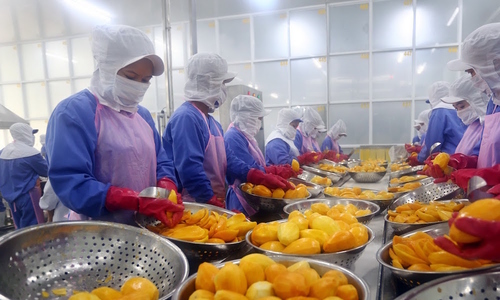
Vietnam-fruit-processing-factory

The potential to develop Vietnam’s fruit processing industry is very large

The export turnover of vegetables, fruits and spices in Vietnam in recent years has always had positive growth. Vietnam’s fruit and vegetable export turnover hit a new record in reaching nearly 5.6 billion USD in 2023, exceeding the plan by 40% and increasing nearly 66% over the same period of 2022. It also leads the agriculture product group, surpassing key crops such as rice, cashew nuts, coffee, and cassava (tapioca).

The largest importers of Vietnamese fruit and vegetables are China, the US, the Republic of Korea, Japan, Thailand, the Netherlands, Taiwan (China), Australia, the United Arab Emirates (UAE), and Russia. Besides Vietnam’s traditional and largest export market, China (accounting for 65%), Vietnamese fruits and vegetables have also penetrated many large, demanding markets such as the US, Korea, Japan, Netherlands… with high export value.

Vietnam Fruits Production

Vietnam is one of major suppliers in the global fruit market, exporting a variety of tropical fruits to countries around the world. Popular fruits that Vietnam exports include: Durian, Passaion fruit, Mango, Pineapple, Coconut and Seedless Lime.

Vietnam Fruit Growing Regions & Outputs

1. Durian

According to statistics from the Department of Crop Production (Ministry of Agriculture and Rural Development), in 2023, Vietnam’s durian growing area is estimated to reach 131,000 hectares, an increase of nearly 20% compared to 2022. Of which, the largest area is in the Central Highlands. accounting for 40.4%, followed by the Mekong Delta accounting for 34.6%, the Southeast region accounting for 19.4% and the South Central Coast accounting for 5.6%. The Central Highlands region has surpassed the Mekong Delta, becoming the largest durian producing region in the country.

2. Passion Fruits

Passion fruit is being grown mainly in the Central Highlands, Nghe An, Hoa Binh and Son La with an area of about 5,000 hectares. Among them, Gia Lai is a prominent growing area for passion fruit in the Central Highlands. Specifically, Gia Lai currently has nearly 4,500 hectares of passion fruit, the average yield is about 36.2 tons/ha, output is about 150 thousand tons/year. According to the Project for developing vegetable, flower and fruit tree production to 2030, with a vision to 2040, the passion fruit area planned for Gia Lai by 2025 is about 20,000 hectares and by 2030 is about 25,000 – 30,000 hectares.

Passion fruits from Gia Lai, Vietnam

3. Mango

Mango is a popular fruit in Vietnam and 50% of mango area is grown in the Southern Vietnam. Among them, Dong Thap province is one of the provinces with the largest mango growing area.

  • Total area: 9,300 hectares (18% of the Mekong Delta region).
  • Total output: 93,000 tons (Mekong Delta: 400,000 tons.

Besides Dong Thap, Tien Giang is also a province with the top mango output in the country. There are two main mango varieties grown in these provinces: Cat Chu mango (sweet and sour taste, thin skin) and Hoa Loc mango (sweet taste, thick skin).
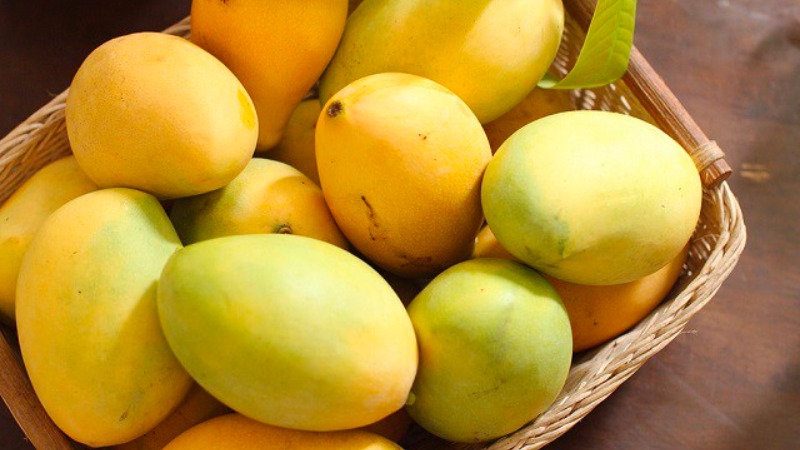
Vietnam-cat-hoa-loc-mango

Cat Hoa Loc Mango from Vietnam

Cat Hoa Loc mango is a famous mango originating from Tien Giang. Mangoes have flexible, smooth flesh, thick flesh, low fiber, soft, very refreshing to eat, and have a unique, seductive flavor. Each mango is very large, heavy to hold and can weigh from 450 – 600g. Hoa Loc mangoes are popular with Southern Vietnam people and have been exported to demanding and potential markets such as France, the US, Canada, Australia, etc.

4. Pineapple

In Vietnam, pineapple is grown from North to South, adapting to many types of soil, especially growing well in the alkaline soil of the Mekong Delta. Therefore, pineapples are concentrated in the southern provinces. Provinces with large pineapple growing areas in the South include: Tien Giang, Kien Giang, Hau Giang, Long An,… In the North, there are Thanh Hoa, Ninh Binh, Tuyen Giang, Phu Tho. The Central region has Nghe An, Quang Nam, and Binh Dinh, growing this type.
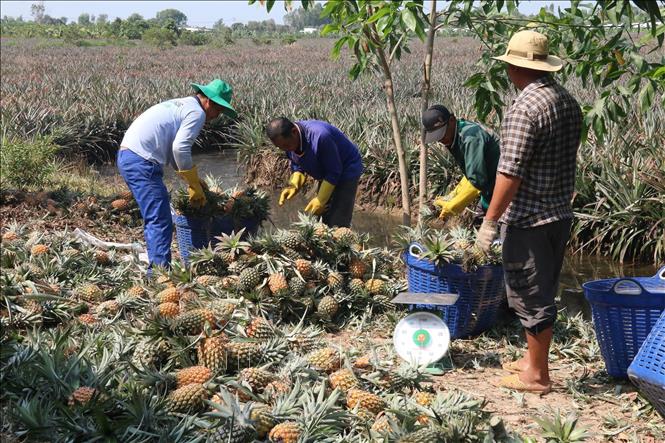
Farmers collect pineapples in the harvest

Pineapple varieties that are widely grown include MD2, Queen and Canyene. Vietnam ranked the 10th largest pineapple production in the world (533,384 tons) in 2011 and 12th (654,801 tons) in 2019.

5. Coconut

Vietnam’s coconut tree area ranks 7th among 93 coconut growing countries in the world. According to the assessment of the International Coconut Community (ICC), Vietnamese coconuts have the highest productivity and quality in the world. According to data from the Department of Crop Production, in 2019, the Mekong Delta accounted for nearly 80% of the country’s coconut area with an area of about 130,000 hectares. Provinces with large coconut growing areas are: Ben Tre , Tra Vinh, Tien Giang, Vinh Long.

Particularly in Ben Tre, according to the Department of Agriculture and Rural Development of the province, by the end of 2022, the province’s total coconut area is more than 78,000 hectares, the fruit-bearing area is more than 71,400 hectares, with an estimated total output of about 688 million coconuts. /year; Of which the drinking coconut area is about 15,850 hectares, accounting for 20.3%; The province’s organic coconut area reaches 17,200 hectares. By 2025, it is estimated to reach more than 20,000 hectares of organic coconut, concentrated in industrial coconut production areas.

6. Seedless lime

The seedless lemon tree (Citrus latifolia Tanaka) was introduced to Vietnam in 1994 and then developed a lot in Long An province. The tree has a wide adaptability and can grow in many different ecological regions from mountainous lands to alluvial-rich soils. The seedless lemon growing area in Long An is considered the largest in the country with a concentrated area of over 10,000 hectares.
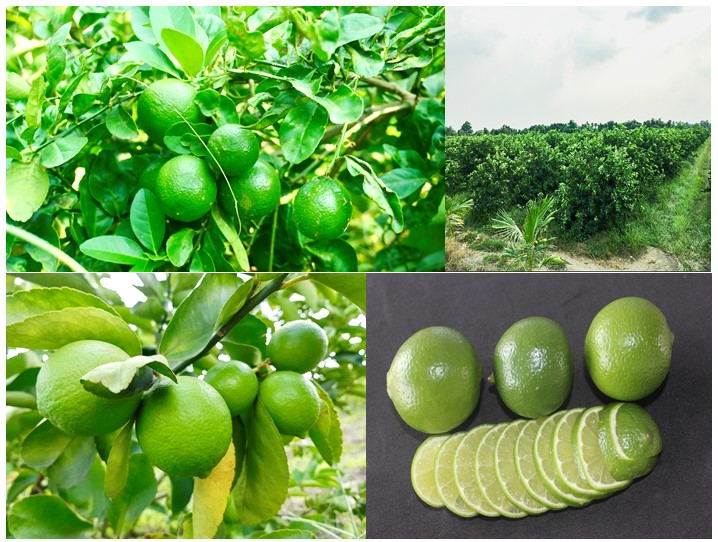
Seedless lime from Long An, Vietnam

Currently, this area has more than 6,950 hectares of lemon growing, of which the fruit-bearing area is more than 6,600 hectares, mainly seedless lemons with an average yield of 160 quintals/hectare, output of about 105,600 tons/year.

7. Dragon fruit

Vietnam is currently one of the world’s leading countries in dragon fruit area and output; Ranks second in the world in export turnover. Vietnamese dragon fruit has held a significant market share in Asia, especially China, Europe and the US. Currently, dragon fruit trees are grown most in provinces such as: Binh Thuan accounts for 50.73% of the country’s area, followed by Tien Giang with 16.42%, Long An with 15.15% and the remaining is in other local regions.
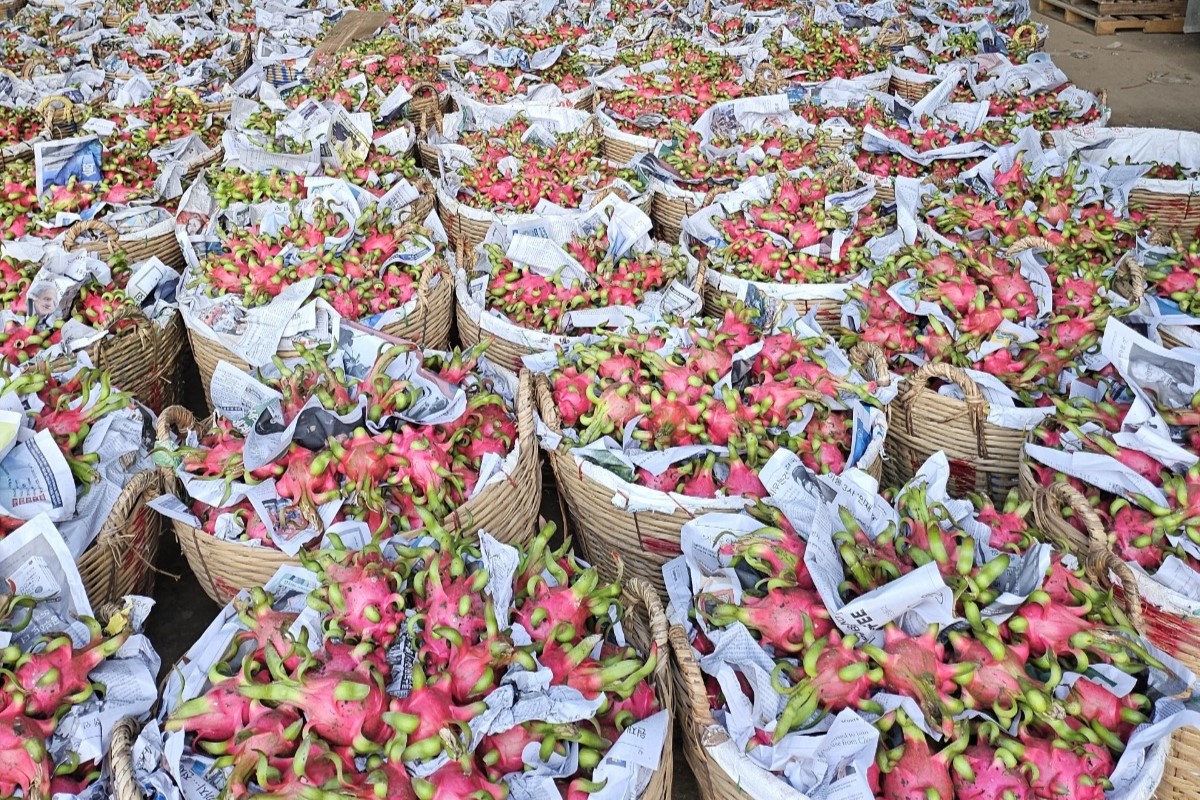
Vietnam is currently one of the world’s leading countries in dragon fruit area and output. Source: Viego Global

The two main varieties of dragon fruit in Vietnam are red-flesh dragon fruit and white-flesh dragon fruit. Calculated within three provinces: Binh Thuan, Long An, Tien Giang, the dragon fruit variety structure is about 55% red-skinned with white flesh, about 40% red-skinned and red-fleshed, and 5% other varieties.

Vietnam Fruit Seasons

In Vietnam, the availability of fruits varies throughout the year due to seasonal changes in weather and climate. Here’s a general overview of the seasonal availability of some popular fruits in Vietnam:
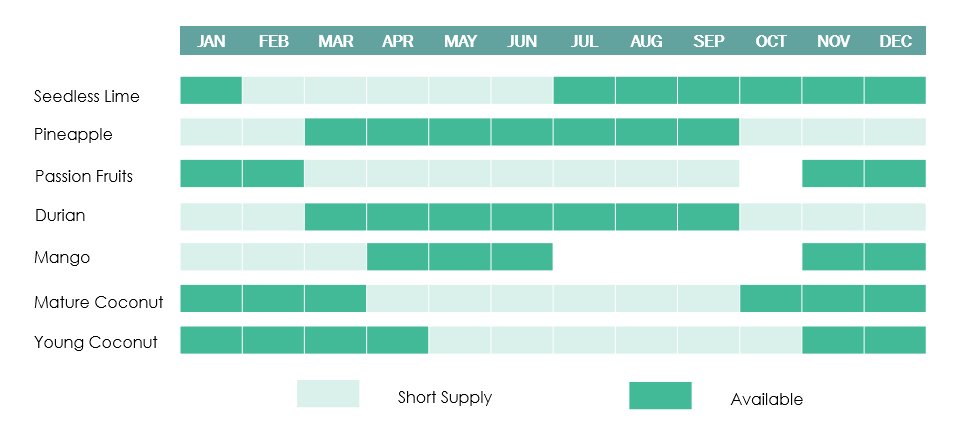
Vietnam-Fruit-Seasons

Vietnam Fruit Seasons. Source: Viego Global

Which Vietnam Fruits are Popular and Their Specifications?

Vietnam Durian Fruit

Vietnam Fresh Durian

  • Variety: Ri6, Monthong
  • Weight: 1.8 – 5 kg / fruit
  • Packaging: Carton box
Vietnam-durian-fruit

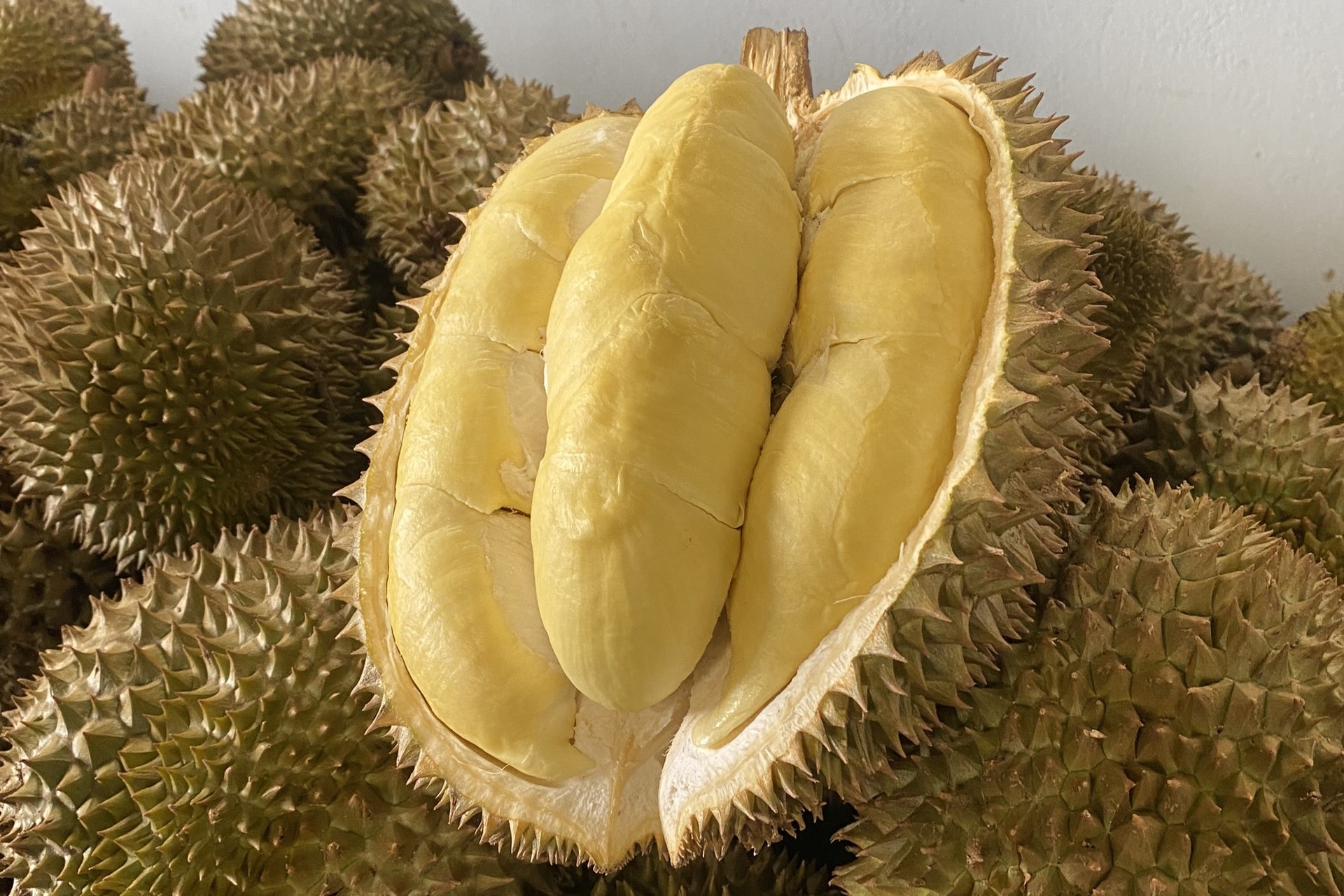
Fresh durian from Vietnam for export. Source: Viego Global

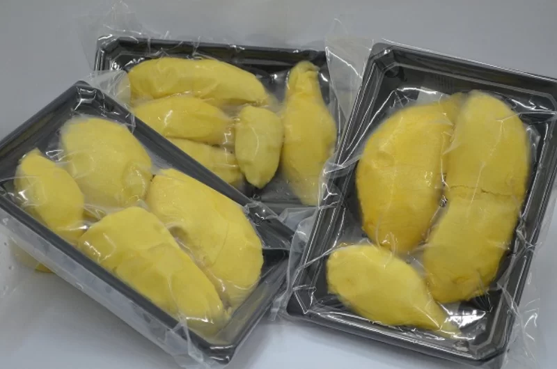
Vietnam Frozen Durian Pulp

  • Colour: Natural colour of Fresh Durian
  • Variety: Ri6, Monthong
  • Pulp Type: With Seed or Seedless

Vietnam Frozen Durian Pulp can be with or without seed

Vietnam Coconut

Young Coconut

  • Brix: 7 – 10%
  • Size: 0.8 – 1.2kg/fruit
  • Ingredients 100% coconut

Young Coconut

Mature Coconut 

  • Mature level: 9 – 10 months old, no broken or damaged
  • Weight: 0.7 – 1.2kg/fruit and smaller: 500-650g
  • Size: 15-20cm

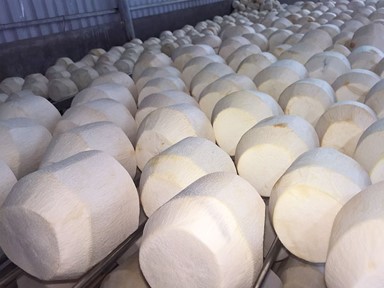
Vietnam Mature Coconut with thick meat inside.

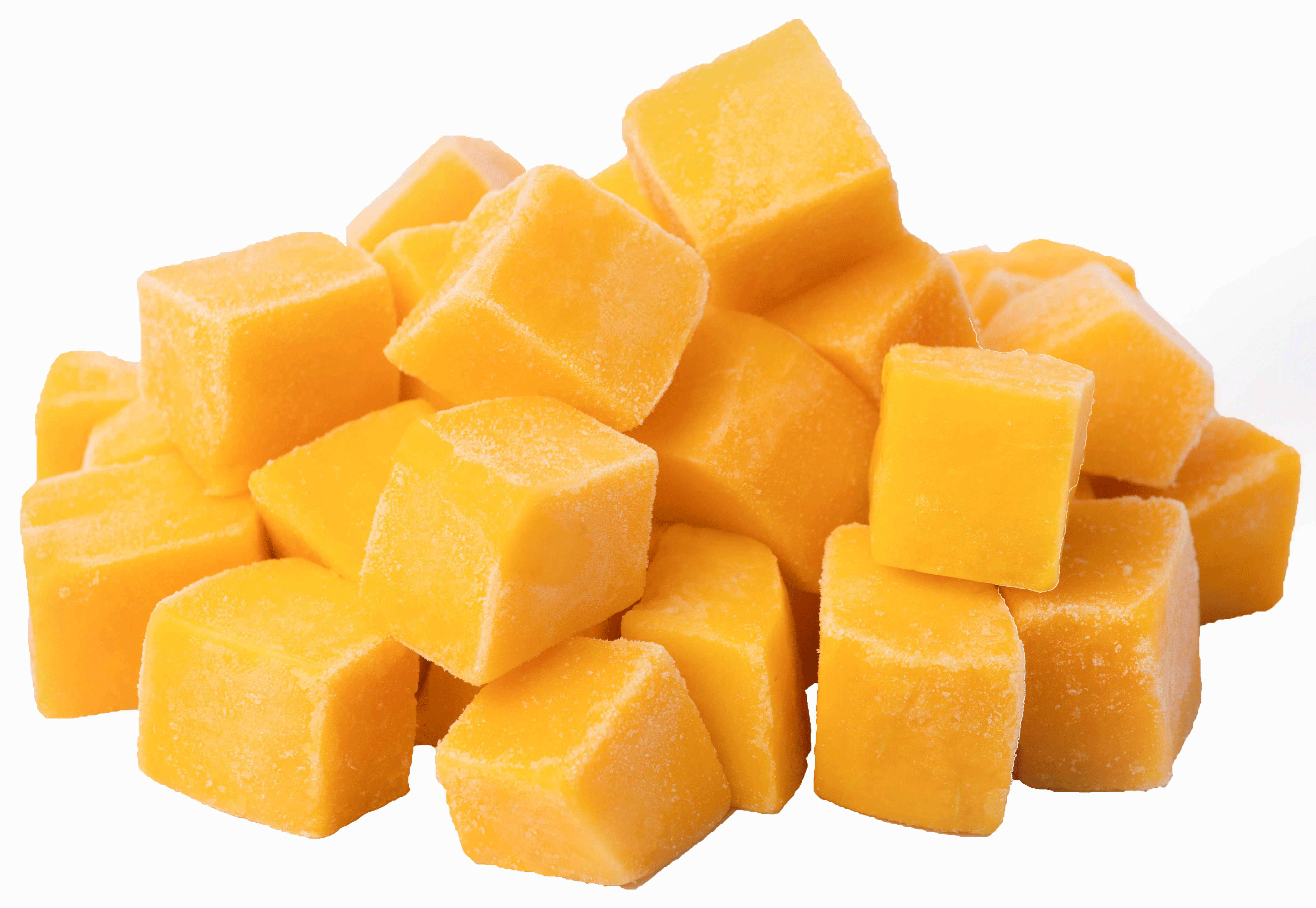
Processed Mango (IQF Mango)

  • Colour: Natural colour of Fresh Mango
  • Odor and flavor: Typical of Fresh Mango
  • Cutting Size: Chunk 20mm, Dice 10mm, Dice 15mm, Slice, Half cut
  • Size: 15x15mm (±2mm)
  • Brix: Min 13
  • Salmonelle: None
  • Foreign bodies: None
  • E.Coli: Negative
  • Pesticide residue: Not detectted
Frozen-mango-IQF

Vietnam Frozen IQF Mango is favored by world market

Vietnam Passion Fruits

Fresh Passion Fruits

  • Appearance: oval-shaped, purple colour, many black seeds
  • Protein: 1.2 – 2.4 %
  • Sugar: 15 – 18 %
  • Vitamin C: 70mg %
  • Essential oil
  • Mineral salt Carotenoid (mainly beta-carotene)
  • Packing: carton box 10 & 12 KG/ box ; foam box 25 kg / box as buyer’s request.
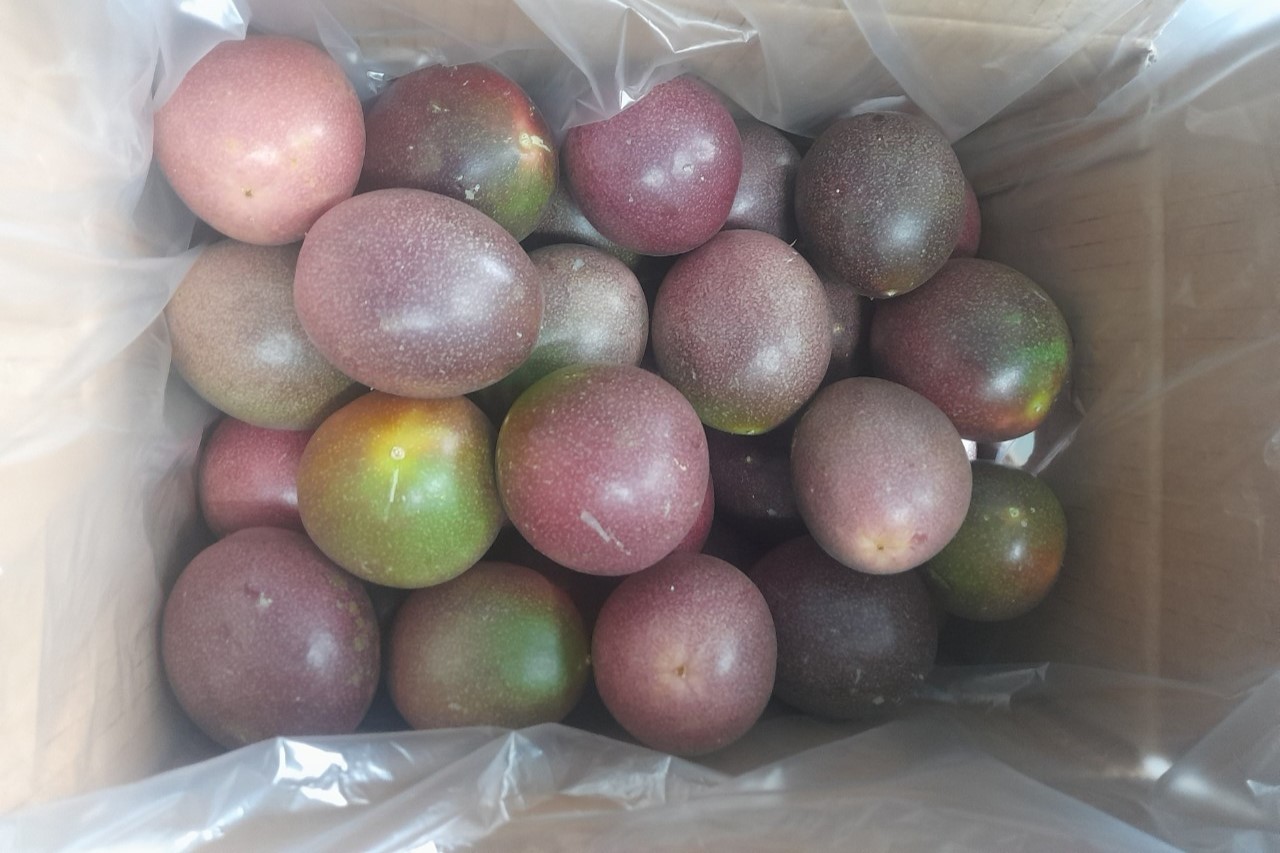
Vietnam-fresh-passion-fruit

Vietnam Fresh Passion Fruits in carton box for export

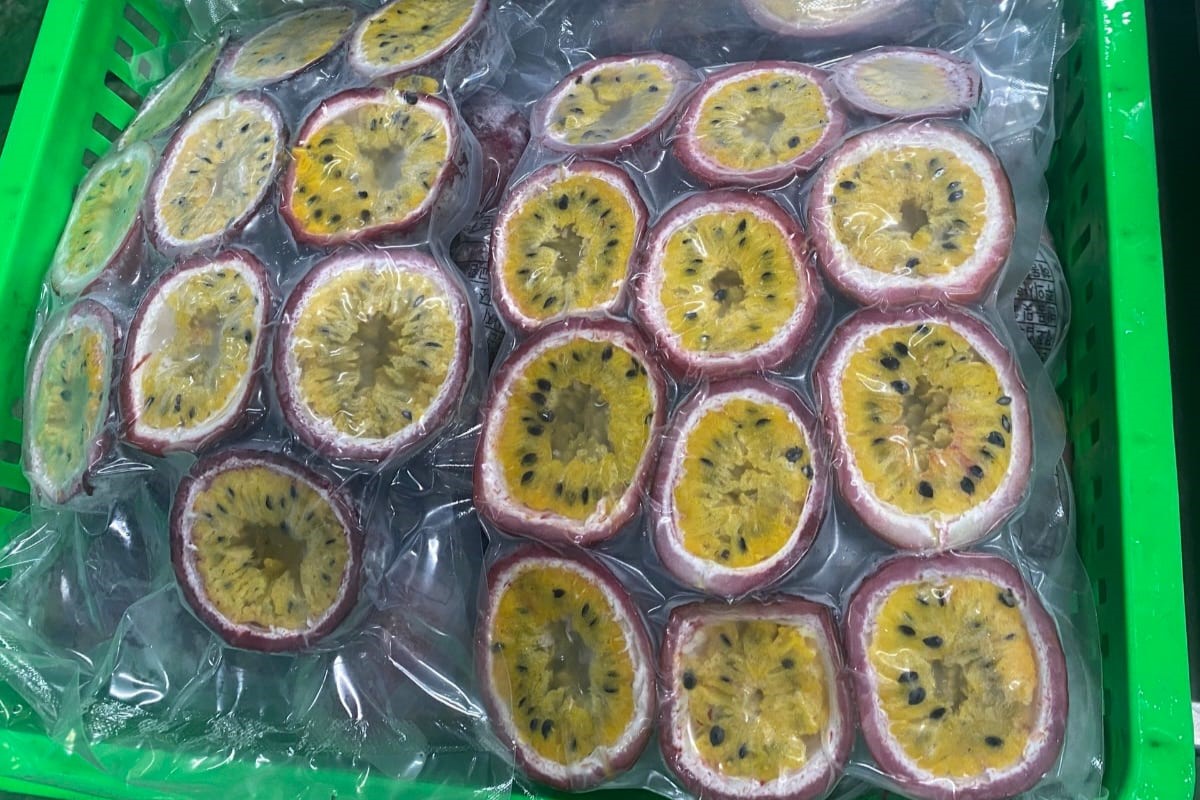
Process IQF Passion Fruits

  • Colour: Natural color of Passion fruits
  • Odor and flavor: Typical of Purple Fresh Passion Fruit
  • Shape: Tidbit, Chunk, Dices,…
  • Brix: Min 13
  • Seed Content: 20 – 50 Seeds per 10g
  • Broken seeds: Max 5 seeds per 10g
  • E.Coli: Negative
  • Pesticide residue: Not detected
Vietnam-Fruit-Market-Passion-Fruit-IQF

Vietnam Passion fruits processed with IQF method

Vietnam Pineapple

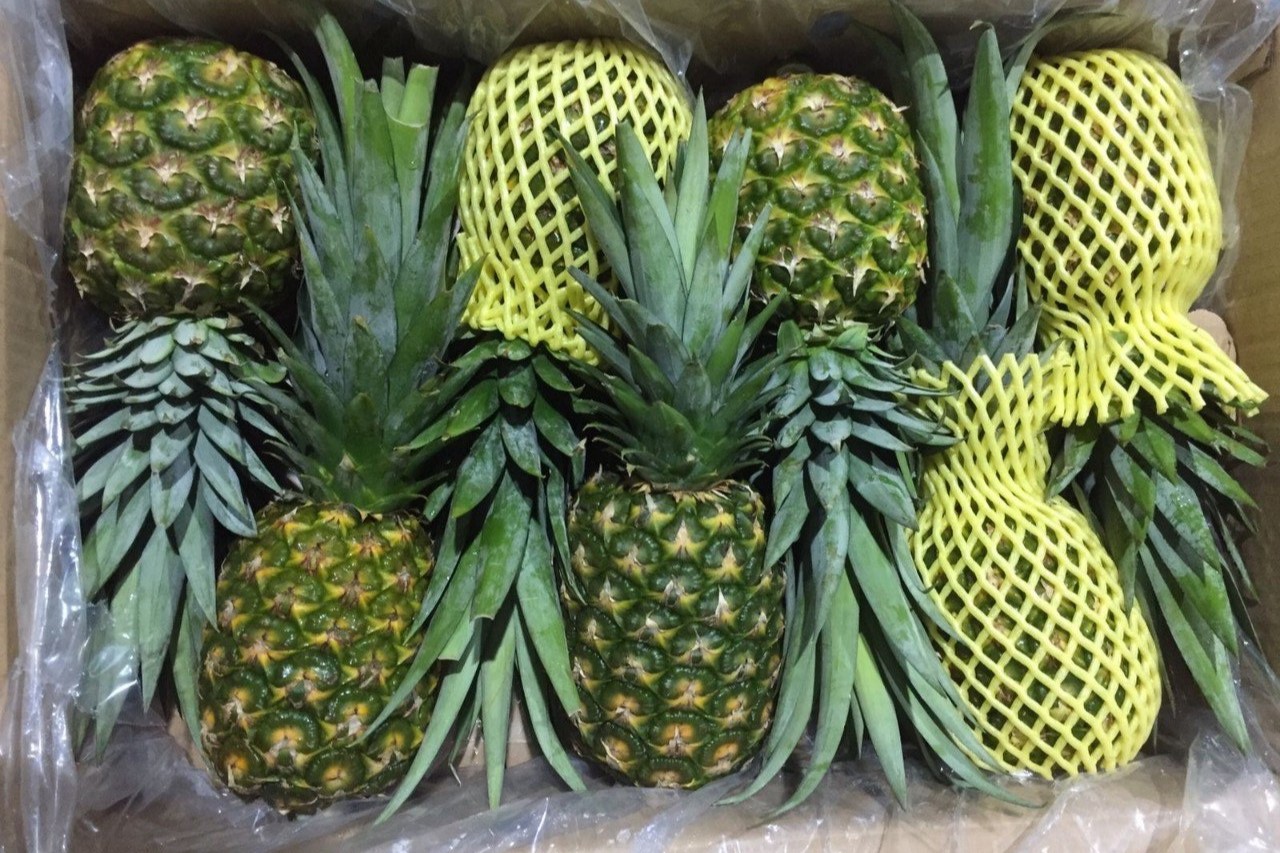
Fresh Pineapple

  • Size: 1kg/pineapple
  • Brix: 13% min
  • Packing: size 6-9 pineapples per carton 12kg
  • Temperature: 45ºF, 8ºC

Vietnam exports Pineapple in fresh condition. Source: Viego Global

Vietnam IQF Pineapple 

  • Colour: Natural colour of Fresh Pineapple
  • Variety: MD2, Queen
  • Cutting Size: Chunk 20mm, Tidbit 1/12, 1/8, Slice
  • Storage conditions: Deep-frozen, at minus 18 Celsius degrees or below
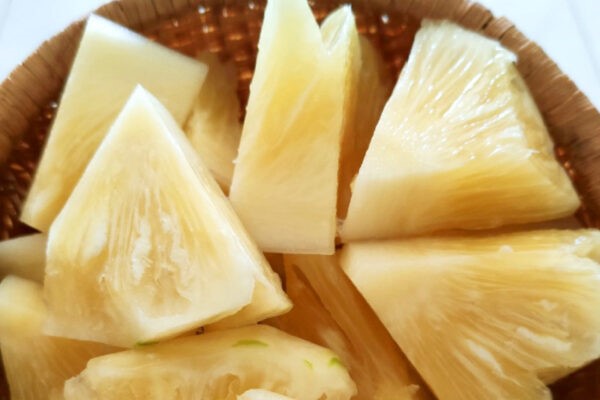
IQF Fozen Pineapple tidbit cutting

Vietnam Seedless lime

  • Style: Fresh fruit
  • Size: 10 – 20 pieces per kg
  • Color: Natural green
  • Quality: 1st class, without skin defect, natural green color
  • Packing: 5/ 4/ 7/ 7.5/ 8/ 8.5/ 9/ 10 kg/carton
  • Storage: Temperature 5 Celsius degrees
  • Shelf life: 4 – 6 weeks

Vietnam Seedless Lime is favored by many foreign markets, especiall Middle East. Source: Viego Global

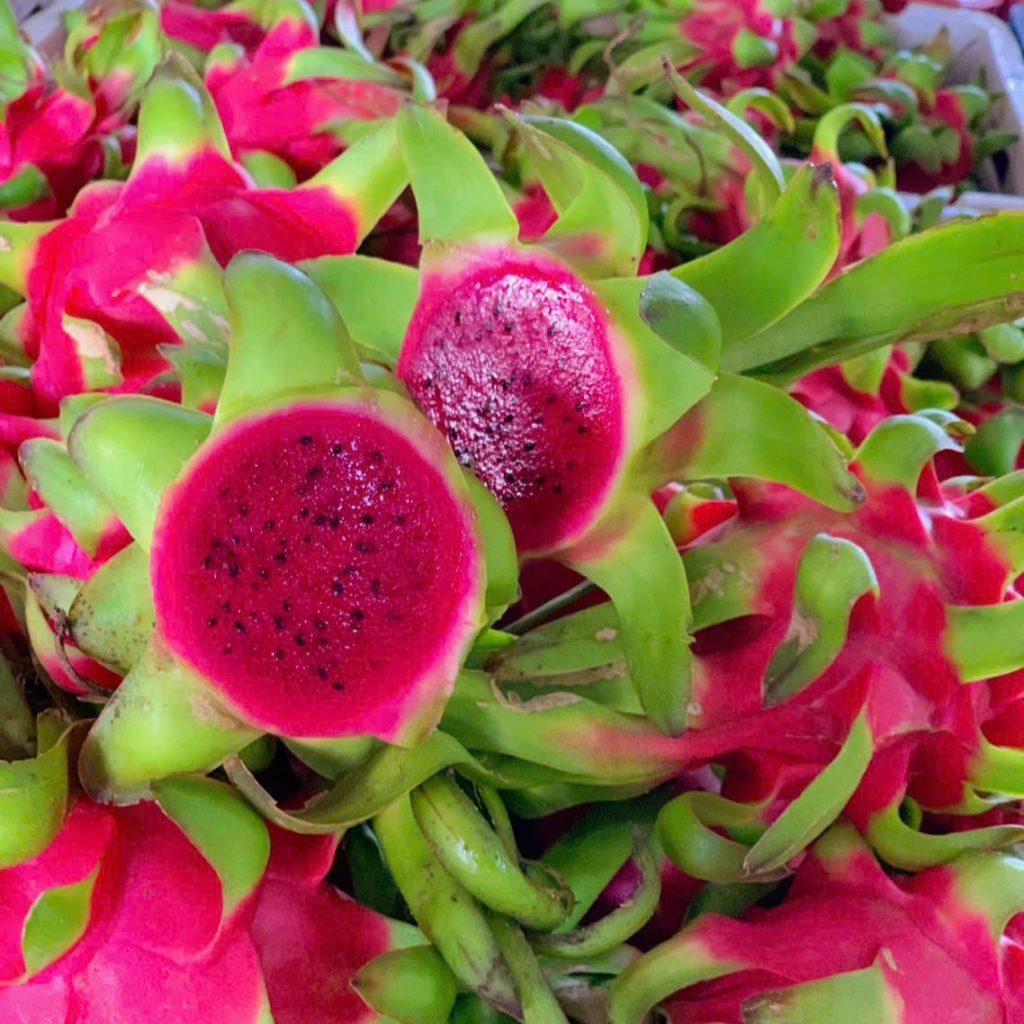
Vietnam Fresh Dragon Fruit

  • Type: Fresh fruit
  • Variety: Red-fleshed dragon fruit
  • Origin: Vietnam
  • Packing: 15kgs/carton

Vietnam red-fleshed dragon fruit. Source: Viego Global

Viego Global – Your trusted sourcing partner in Vietnam

Given that Vietnam has plenty of Fruit Suppliers in Vietnam, it is not easy to find a trustworthy supplier to work with, however. Let’s answer the questions below before conducting your sourcing:

  • Are you going to import fruits from Vietnam?
  • Are you finding a Vietnamese trusted supplier for different types of fruits?
  • Are you finding Vietnamese fruit source of supply with high quality and competitive price?

If your answer is yes for all, please feel free to contact us at :

  • WhatsApp line: +84 56 264 6315
  • Email: agri@viegoglobal.com

Being present at the economic center of Vietnam, Viego Global can greatly help you professionally source and execute orders, providing maximum benefits to our clients in terms of delivering a wide range of products at the best competitive pricing.

14 May, 2024 0 comment
0 FacebookTwitterPinterestLinkedin
Vietnam Spices MarketVietnam's Agriculture Market

A COMPLETE GUIDE TO VIETNAM SPICES MARKET

by Viego Blog 10 May, 2024
written by Viego Blog

Vietnam Spices Market has received a lot of attention from the world when the global demand increases by the time. Not only Vietnam black pepper, which is already so popular around the world, the country also has a wide range of spice types, such as Ginger, Cassia, Star anise, etc which are favored by many markets in the world. With abundant spice supplies, Vietnam is an important spices supplier to the world market. Jump into this blog to know more about Vietnam spices market if you are looking for this product from Vietnam.


Vietnam spices market at a glance

According to economic experts, Vietnam has a lot of room for developing products of spices. In 2022, the total export value of Vietnamese pepper and spices reached more than 1.4 billion USD. This industry sets an export target of 2 billion USD by 2025.

In terms of importing market, the US is Vietnam’s largest pepper importer in 2023 and vice versa, accounting for 23.5% of the total export value of this product. In addition to the United States, Vietnamese spice importing markets are also very diverse such as the EU, China, India and the Middle East. Specifically, China is the second largest market, accounting for 22.8% of Vietnam’s total pepper export value. Next are the markets: India accounts for 4.9%; UAE accounted for 4.6%, down 24.7%; Philippines accounts for 3.0%.

What’s more about Vietnam Spices Market? Vietnam ranks No. 1 in the world in cinnamon exports and No. 2 in the world in star anise exports. In 2023, Vietnam exports 16,136 tons of star anise, total export turnover reaches 83 million USD, compared to the same period of 2022, the export volume increased by 26.0%. Statistics from the Vietnam Pepper and Spice Association (VPSA), show that in 2023, Vietnam exported 89,383 tons of cinnamon, total export turnover reaching 260.9 million USD.

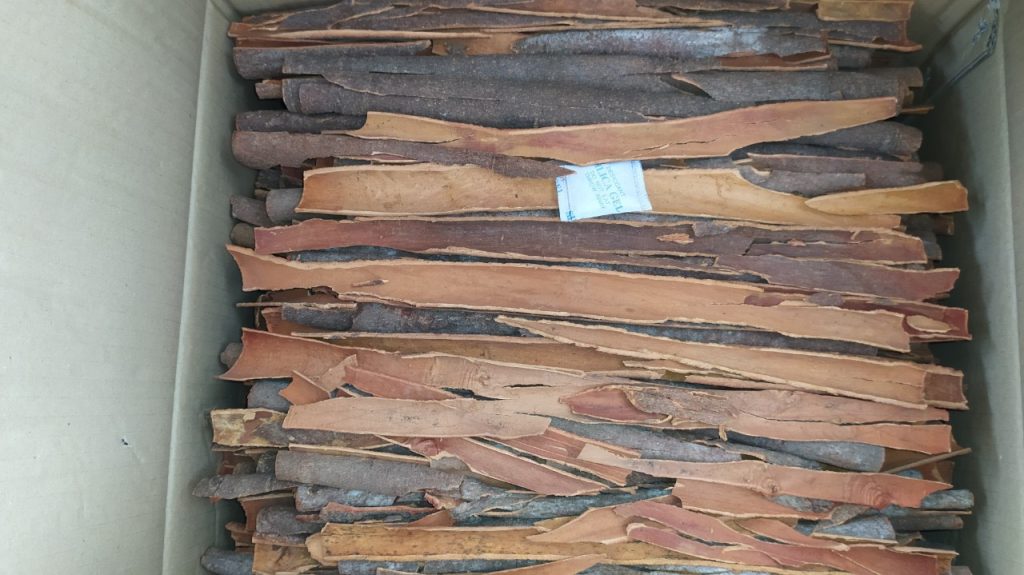
split-cassia-cinnamon-vietnam

Vietnam Split Cassia, also called Split Cinnamon, packed in Carton box

Not only outstanding with cinnamon, star anise and black pepper, other Vietnamese spices that are also very popular are Ginger and Turmeric. According to the Vietnam Pepper and Spice Association, in 2023, Vietnam exported 34,976 tons of ginger, turmeric and some other spices. China is the leading market for purchasing ginger and turmeric roots from Vietnam and other markets, such as India, Bangladesh, etc.

Another spice product which is a rising star of Vietnam is Red shallots or also called Shallot seeds. Vietnamese Red Shallot seeds are consumed domestically and exported to other countries for direct consumption.


Which are the most popular spice product from Vietnam?

Below are Vietnam spice types that are most favored by world  market.

Ginger

1. Growing Regions   

Vietnam Ginger is grown in many provinces across the country. In the Northern provinces, ginger is concentrated in provinces such as Thanh Hoa, Hoa Binh, Yen Bai, Lao Cai, Bac Giang, Vinh Phuc,…. Central Highlands and Mekong Delta are also regions that develops this product.

2. Seasonal:

Ginger is typically harvested in Vietnam during the dry season, which lasts from November to April.

3. Annual Output

In recent years, Vietnam has seen an increase in ginger production. The annual output of ginger has been steadily rising, with the most recent data showing a substantial increase in production volume. For instance, in 2023, Vietnam exported 34,976 tons of ginger, indicating a significant growth in output compared to previous years.

4. Product Types  
Vietnamese ginger is available in different product types to cater to various market demands:
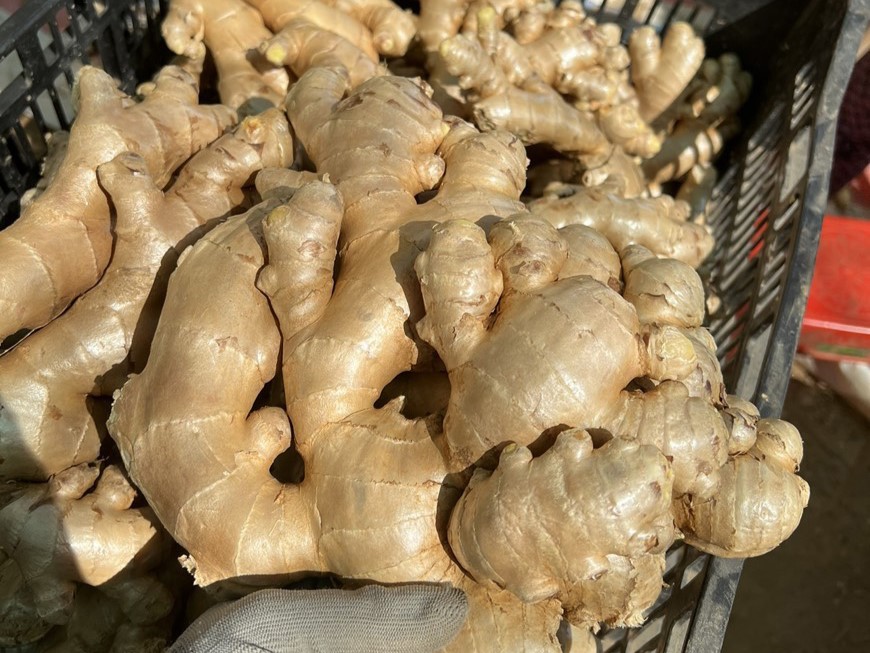
Vietnam Fresh Ginger: Widely used in culinary applications and for its medicinal properties

Specification of Vietnam Fresh Ginger

  • Type: Washed or Unwashed Ginger
  • Color: Natural color
  • Size: 100gram up/Big size
  • Packaging: Mesh bag or Carton box
Vietnam-Fresh-Ginger-Washed

Vietnam Fresh Ginger Washed is favored by many countries


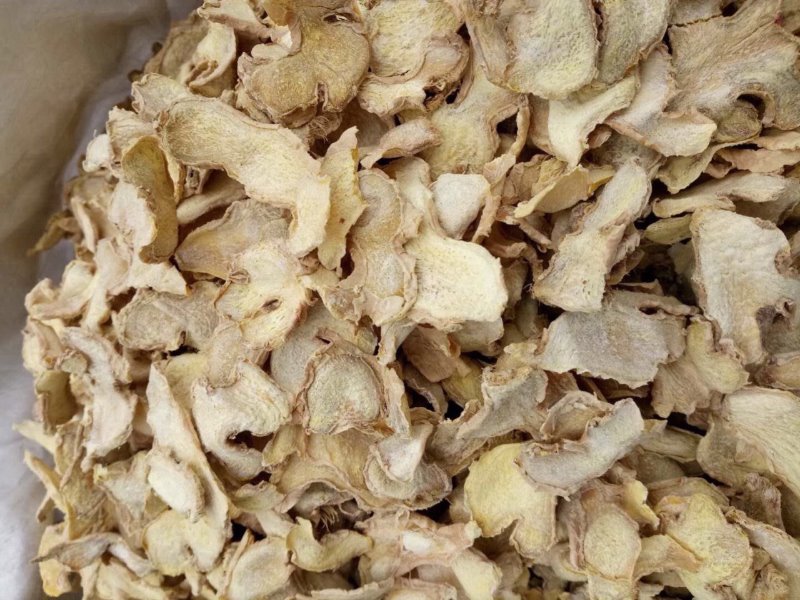
Vietnam Dried Ginger: Used as a spice and flavoring agent in cooking, baking, and brewing.

Vietnam-dried-ginger-slices

Vietnam Dried Ginger Slices

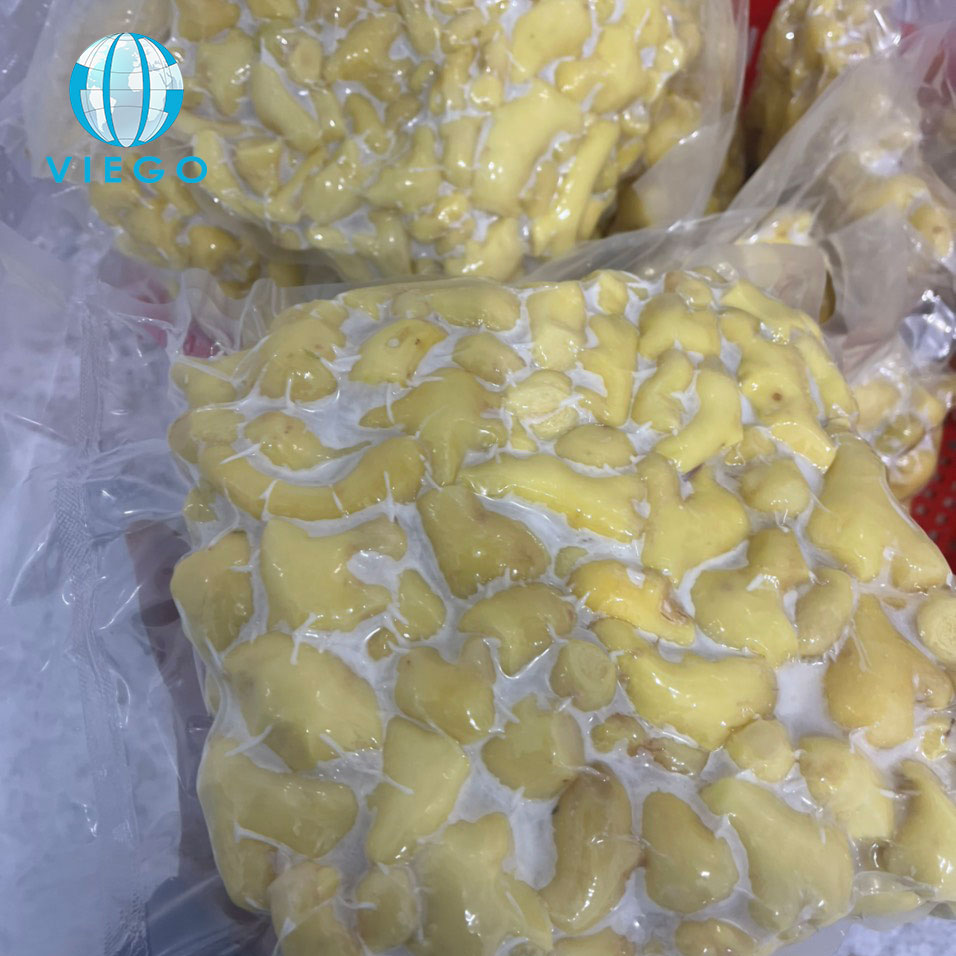
Vietnam Frozen Peeled Ginger: The ginger is peeled before going to the freezing process.

Vietnam Frozen Peeled Ginger. Source: Viego Global JSC


Red shallots/Shallot Seeds

1. Growing Regions  
Red shallots, also called shallot seeds, are an advantageous product of many provinces such as Soc Trang, Hai Duong, Ninh Thuan and Quang Ngai.

2. Seasonal   
Vietnam Shallot seeds are typically grown during the cool and dry season, which spans from November to April. This period provides ideal conditions for shallot growth and development, ensuring good quality and yield.

3. Recent Annual Output
The national shallot output is more than 200,000 tons/year, of which red shallots are over 120,000 tons.

4. Product Types   
Fresh Red Shallots: Widely used in Vietnamese cuisine for their distinct flavor and aroma.

Fresh Red Shallots

Black pepper

1. Growing Regions  

Regarding growing areas, about 94% of the area and 97% of the national pepper output are concentrated in two key production regions: the Southeast and the Central Highlands; 91.7% of the area, 93.7% of the national pepper output is concentrated in 6 key production provinces: Gia Lai, Dak Lak, Dak Nong, Binh Phuoc, Dong Nai and Ba Ria – Vung Tau.

2. Seasonal  

The peak time for pepper harvesting takes place around February and March every year. In Dak Nong province, pepper harvesting takes place from January to April, peaking in February, coinciding with the dry season in the geographical area. Harvest season varies by region, January-March in the Southeast and Phu Quoc, February-April in the Central Highlands, March-May in the South Central and May-July in the North Central.

3. Recent Annual Output  

As one of the world’s leading pepper exporting countries, pepper output in 2023 reach 190,000 tons, an increase of 3.8% compared to 2022, according to data from the Ministry of Agriculture and Rural Development.

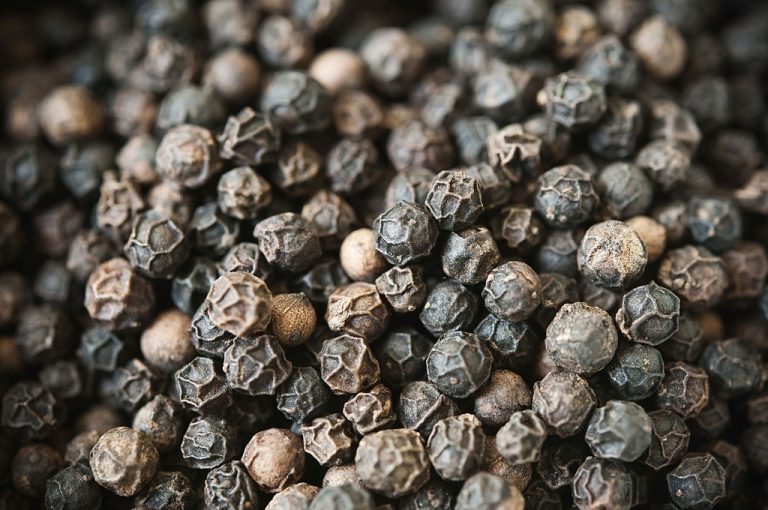
Vietnam black pepper

Vietnam is one of world’s leading producers of pepper.

4. Product Types   

Vietnamese peppers are classified into a number of grades according to the ASTA Standard. Have a look at the pepper grades below:
Black Pepper 500G/L

  • Density: 500G/L
  • Moisture: 13% Max
  • Admixture: 0.5% Max

Black Pepper 550G/L

  • Density: 550G/L
  • Moisture: 12.5% Max
  • Admixture: 0.2%

Black Pepper 570G/L

  • Density: 570G/L
  • Moisture: 12.5% Max
  • Admixture: 0.2% Max

Cassia & Star anise

1. Growing Regions 

Cassia/Cinnamon: in Vietnam is concentratedly distributed in the North such as Yen Bai, Lao Cai, Bac Kan, Quang Ninh, Thai Nguyen… and so me central provinces such as Quang Nam, Quang Ngai.
Star Anise: The main regions for star anise production in Vietnam include provinces in the Northern part and Central Highland of the country. These regions provide the necessary climate and soil conditions for star anise cultivation.

2. Seasonal 

Cassia/Cinnamon: For tall cassia forests: 15-20 years after planting, harvest begins. There are two seasons for peeling cassia: spring cassia is peeled in February-March, for good quality, and autumn cassia is peeled in late July and early August. For lowland cassia forests: 3-5 years after planting, it can be harvested.
Star Anise: Star anise harvesting usually takes place in the cooler months, from October to December, when the fruits are ripe and ready for harvest.

3. Recent Annual Output 

Cassia/Cinnamon: Vietnam exports large quantities of cassia bark annually, with the total output meeting domestic demand and supporting international markets.
– Star Anise: Vietnam’s anise production ranks second in the world, after China, with an estimated annual output of 22,000 tons on a growing area of about 55,000 hectares.

4. Product Types 

Cassia/Cinnamon: There are many product types from Cassia that are favored by world market. Below are the most common ones:

Finger Cassia/Cigarette Cassia:

  • Moisture: 14.5% Max
  • Foreign matter: 1% Max
  • Length: 6cm
  • Roll: 50%
  • Packing: 1kg/string bag in carton (10kg net)
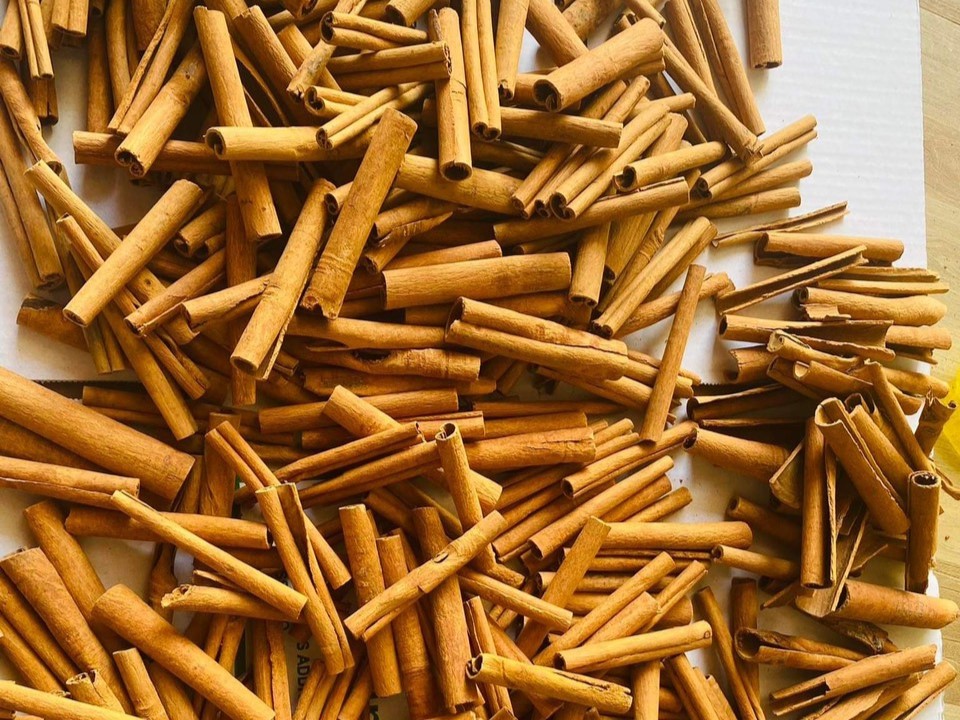
Vietnam Cigarette Cinnamon

Vietnam Cigarette Cinnamon, also called Finger Cassia

Split Cassia:

  • Moisture: 13.5%
  • Foreign matter: 1% Max
  • Length: 25 – 45 cm
  • No fungus, reddish color
  • Packing: Carton (10kg net)

Star Anise: Star anise is primarily exported in dried whole form and used as a spice in cooking, baking, and brewing. It is also used in traditional medicine and herbal remedies.

Star Anise Specification:

  • Admixture: 1% Max
  • Moisture: 13.5% Max
  • Broken: 10%
  • Diameter or flower: 2 cm (80% min)
  • Packing: in carton box of 10kg
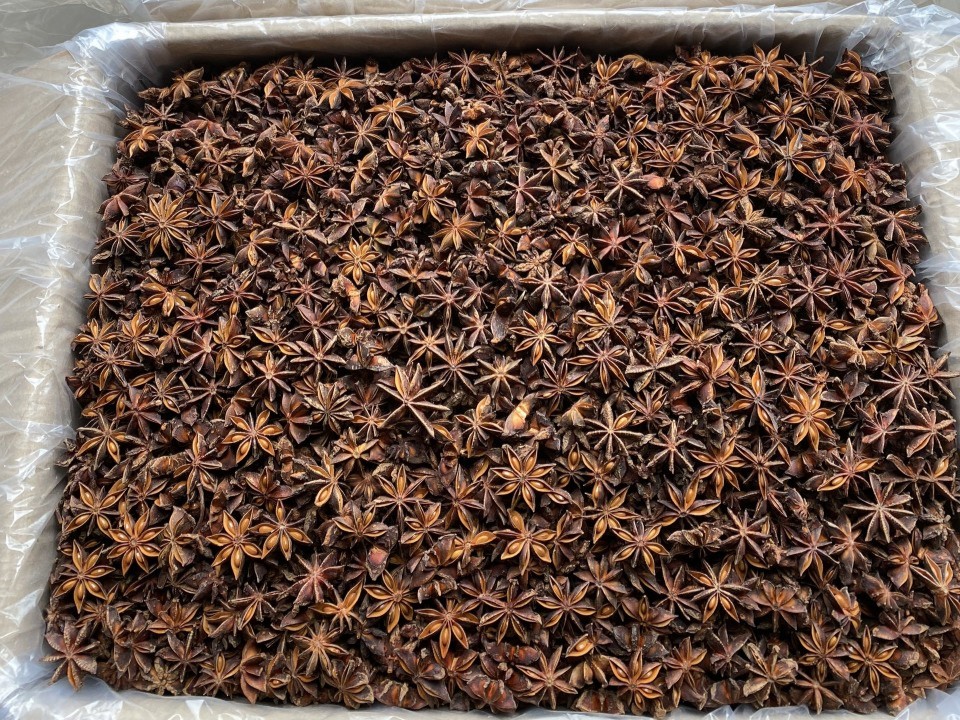
Vietnam-spices-market

Vietnam Star Anise. Source: Viego Global

Watch Our Latest Update about Vietnam Spices HERE: Vietnam Spices Viego Global

Viego Global – Your trusted sourcing partner in Vietnam

Given that Vietnam has plenty of Spices Suppliers in Vietnam, it is not easy to find a trustworthy supplier to work with, however. Let’s answer the questions below before conducting your sourcing:

  • Are you going to source spices from Vietnam?
  • Are you finding a Vietnamese trusted supplier for spices?
  • Are you finding Vietnamese spices source of supply with high quality and competitive price?

If your answer is yes for all, please comment below so Viego Global can help you out easily. Being present at the factory location and the economic centre of Vietnam, Viego Global can greatly help you professionally source, manufacture, and execute order, providing maximum benefits to our clients in terms of delivering a wide range of products at the best competitive pricing. Please contact us HERE for further support about Vietnam Spices Market!
10 May, 2024 0 comment
0 FacebookTwitterPinterestLinkedin
Newer Posts
Older Posts

Keep in touch

Facebook Twitter Pinterest Linkedin Youtube

Recent Posts

  • PREMIUM E1420 FROM VIETNAM: THE TRUSTED CHOICE FOR GLOBAL NOODLE MANUFACTURERS

    18 May, 2026
  • AN INTRODUCTION TO VIETNAM INDUSTRIAL SPRINGS: SMALL BUT INDISPENSABLE COMPONENTS

    30 April, 2026
  • AN IN-DEPTH GUIDE TO VIETNAM CALCIUM CARBONATE LIMESTONE

    16 March, 2026
  • A COMPLETE GUIDE TO VIETNAM RICE BRAN FOR ANIMAL FEED

    23 January, 2026
  • AN INTRODUCTION TO VIETNAM BUILDING MATERIALS MARKET

    19 December, 2025

Category

  • News
  • Vietnam Fruit Market
  • Vietnam Industrial Sector
  • Vietnam Seafood Market
  • Vietnam Sourcing
  • Vietnam Spices Market
  • Vietnam's Agriculture Market
  • Vietnam's Coffee Market
  • Vietnam's Construction Material
  • Vietnam's Consumer Goods
  • Vietnam's Energy Market
  • Vietnam's Flooring Market
  • Vietnam's Furniture Market
  • Vietnam's Garment Market
  • Vietnam's Natural Rubber Market
  • Vietnam's Nut Market
  • Vietnam's Rice Market
  • Vietnam's Tapioca Market

VIEGO GLOBAL JSC

Registered office address: Villa No. 8, Str. 14, Ward 26, Binh Thanh Dist., HCMC, Vietnam

Operating address: Vinhomes Golden River Aqua 1, No. 2, Ton Duc Thang Str., Ben Nghe Ward, Dist. 1, HCMC, Vietnam

Tax ID: 0316409631

Contact information

hello@viegoglobal.com

+84 562 646 315

Hour: 8:00am – 5:00pm

Monday – Saturday (2 Saturdays off in a month)

  • Facebook
  • Twitter
  • Pinterest
  • Linkedin
  • Youtube