In the high-volume world of global industrial manufacturing, specialized chemical sourcing has traditionally been driven more by established habits than by strategic risk management. For decades, multinational companies in the paper, textile, corrugation, and industrial water treatment sectors have relied heavily on legacy, single-country supply sources for their Cationic Starch and Oxidized Starch portfolios.
However, sourcing strategies built around a single region can leave global portfolios highly vulnerable to single points of failure. Climate-related harvest volatility, localized maritime bottlenecks, and concentrated pricing power have increasingly turned traditional supply routes into significant operational risks.
To address these vulnerabilities, forward-thinking procurement leaders and experienced chemical trading companies are actively diversifying their sourcing strategies. Supported by next-generation refining technology and Vietnam’s extensive international trade network, the country has emerged as a strong alternative supply corridor, offering comparable chemical performance together with significant tariff advantages.
1. The Total Cost Of Ownership: Unmasking The False Economy Of Corn Starch
To protect trading margins, procurement teams often assess starch products primarily through their initial commodity prices. This approach frequently encourages the use of corn-based industrial starches. However, evaluating chemical raw materials only through spot-price comparisons fails to account for the broader Total Cost of Ownership (TCO).
The Cationic Matrix: Wet-End Retention Failures
Industrial corn starch has a comparatively weaker molecular structure and a lower amylopectin-to-amylose ratio than premium tapioca starch. In paper wet-end applications and wastewater flocculation, this structural limitation can result in weaker internal fiber bonding and reduced charge retention. To achieve demanding tensile and internal bond strength requirements, mills may need to increase corn starch dosage significantly. This not only raises raw material consumption but can also increase the chemical load entering wastewater systems, contributing to higher Chemical Oxygen Demand (COD) treatment costs.
In contrast, advanced Modified Tapioca Starch contains a naturally dense amylopectin matrix of approximately 80%. This structure promotes strong and resilient hydrogen bonding with negatively charged cellulose fibers and suspended solids, helping optimize dosage efficiency and reduce the net chemical cost per ton of finished production.
The Oxidized Matrix: Mechanical Shear And Process Downtime
Controlled chemical oxidation is intended to reduce viscosity while maintaining film strength. However, the higher amylose content in oxidized corn starch can contribute to retrogradation and the formation of a brittle, rigid film during drying. Under the intense mechanical shear found in high-speed corrugation lines and paper size-press systems, this brittleness can contribute to paper web breaks and cardboard layer delamination.
The resulting impact can include significant production downtime, disrupted manufacturing schedules, and increased material waste. Oxidized Tapioca Starch, by comparison, can produce a flexible, clear, and high-tensile protective film. It maintains stable viscosity under high temperatures and mechanical stress, supporting smooth processing across high-speed industrial looms and high-output corrugation lines.
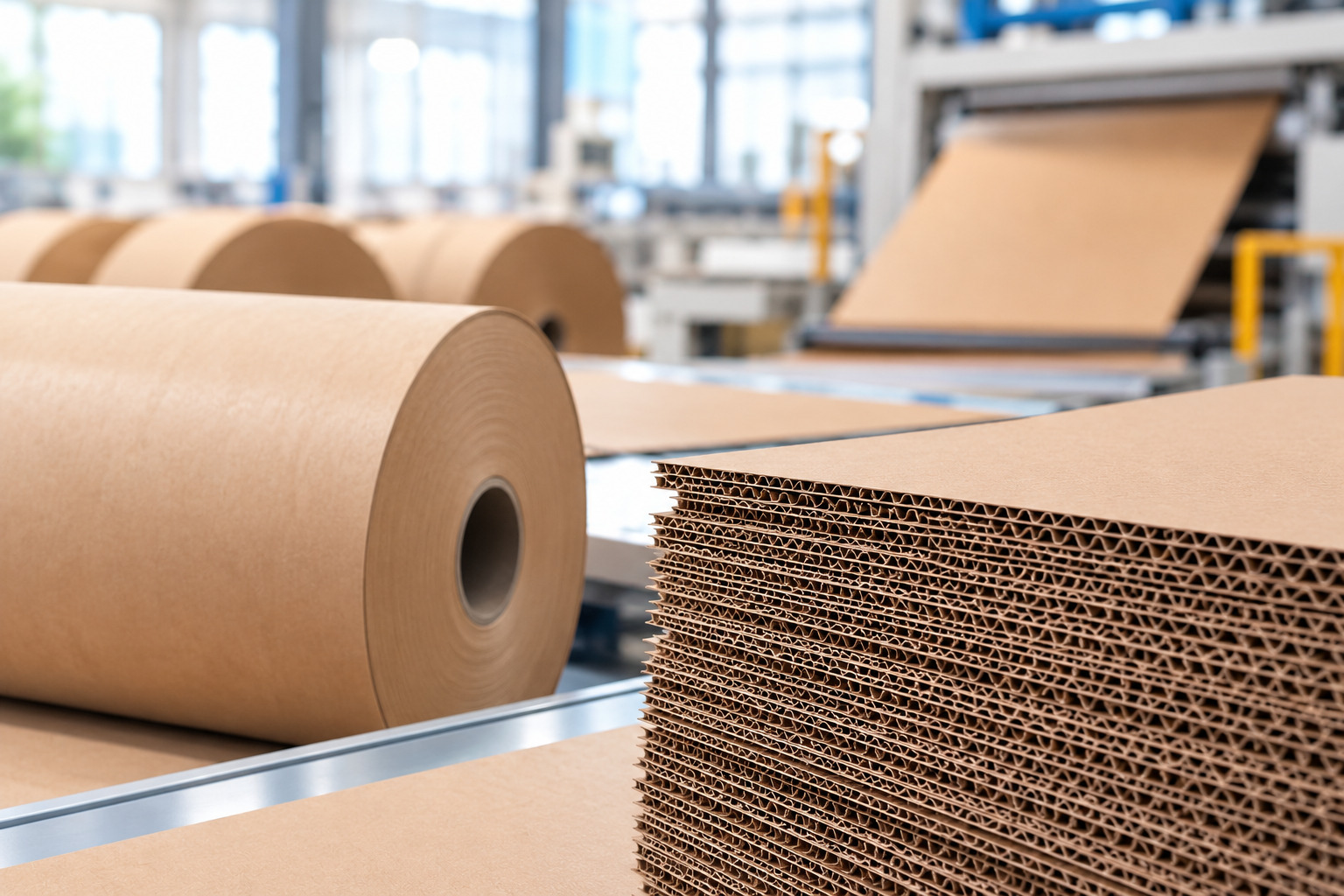
Starch-based adhesive for strong cardboard bonding
2. Multi-Industry Engineering: Purity And Functional Purity
The application potential of advanced modified tapioca starch extends across several high-volume industrial manufacturing sectors.
Packaging & Corrugation:
It provides rapid tacking properties and strong green bond strength, helping prevent multi-layer cardboard from warping, blistering, or splitting during long-distance maritime transportation. This also includes the capability to supply custom-engineered Pregelatinized E1404 (Pregel E1404), offering corrugation lines a cold-water-soluble adhesive base that supports rapid bonding without intensive heating.
Textile Sizing:
It forms an ultra-smooth, friction-resistant coating around warp yarns, helping reduce yarn breakage on automated, high-speed weaving looms and improving overall production efficiency.
Industrial Water Treatment:
Precisely engineered positive charge densities allow it to function as an efficient, clean-label flocculant that binds and settles suspended particles without introducing heavy mineral or organic residues into clarified water. With advanced grades such as cold-soluble Pregel E1404, water treatment facilities can use an instant-dissolving natural polymer to accelerate clarification while supporting environmental compliance.
Furthermore, unlike corn starch, which naturally contains residual lipids and bound proteins that can decompose, generate unpleasant industrial odors, and reduce final product brightness, pure-origin tapioca starch offers high natural whiteness and a near-zero residue profile. This makes it particularly suitable for premium paper coatings and sensitive chemical manufacturing applications.
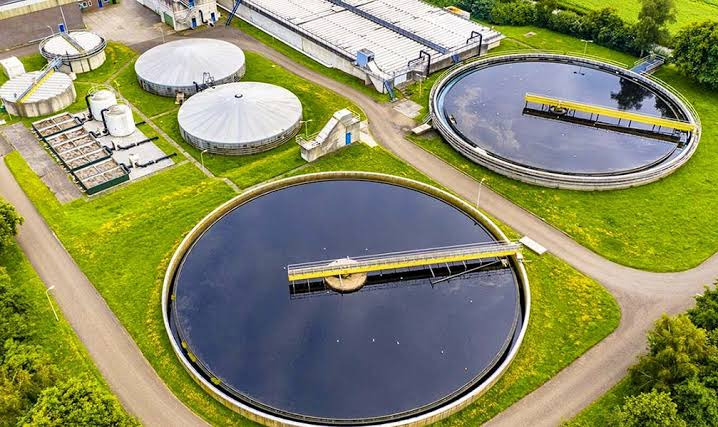
Starch-based flocculant for industrial water treatment
3. The Tariff Trump Card: Vietnam’s Free Trade Network As A Margin Shield
While technical performance helps protect factory-floor efficiency, geopolitical and fiscal strategy plays an equally important role in maintaining portfolio profitability. Operating through traditional single-country sourcing hubs can expose global chemical trading companies to customs duties, anti-dumping investigations, and changing trade restrictions, potentially eliminating a trader’s 2–3% arbitrage margin almost overnight.
Vietnam reduces exposure to these risks through its extensive network of modern Free Trade Agreements (FTAs). Rather than relying solely on conventional trade routes, global companies sourcing from Vietnam can access a broad framework of tariff preferences and trade advantages.
- EVFTA (EU-Vietnam Free Trade Agreement): Gradually reducing trade barriers and creating opportunities for European paper, textile, and chemical distribution companies to import modified starch products with preferential or potentially zero-tariff treatment, subject to applicable requirements.
- UKVFTA (UK-Vietnam Free Trade Agreement): Supporting preferential, tariff-free trade routes into United Kingdom industrial markets when the relevant origin and tariff requirements are satisfied.
- CPTPP & RCEP Frameworks: Providing preferential duty structures across major Asia-Pacific manufacturing markets, including important industrial hubs in South Korea, Japan, Australia, and other participating markets.
By redirecting part of their industrial starch volume through Vietnam, global procurement teams can diversify their physical supply base while also leveraging applicable tariff preferences to reduce customs-related costs and protect corporate margins.
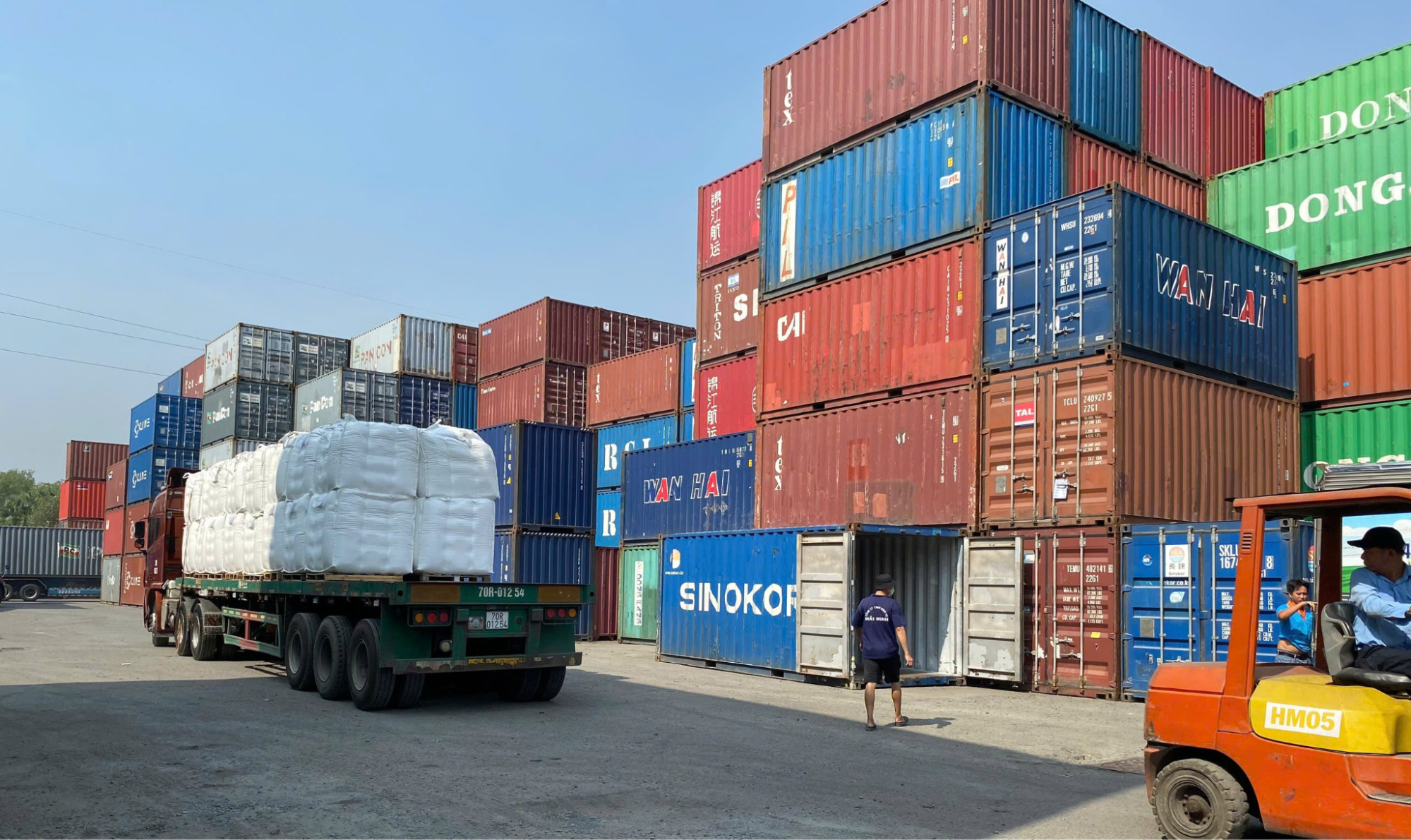
Vietnam’s trade and logistics network supporting global modified starch exports. Source: Viego Global JSC
4. Supply Security: The Indochina Agricultural Corridor
A common mistake among transactional brokers is assuming that agricultural supply chains can operate reliably through localized, single-country harvests alone. At true industrial scale, a stronger geographical supply buffer is essential.
Viego Global reduces single-origin supply volatility by operating at the center of the Indochina agricultural corridor. Vietnam’s next-generation automated refineries are strategically positioned to benefit from a robust cross-border raw material logistics network. By securing a continuous, high-volume supply of pure cassava roots through this integrated regional network, the processing ecosystem gains a substantial raw material buffer.
This geographical advantage helps protect production campaigns against localized weather disruptions and crop failures concentrated in a single country, giving global enterprises greater long-term contract predictability than traditional Western or single-origin sourcing hubs can provide.
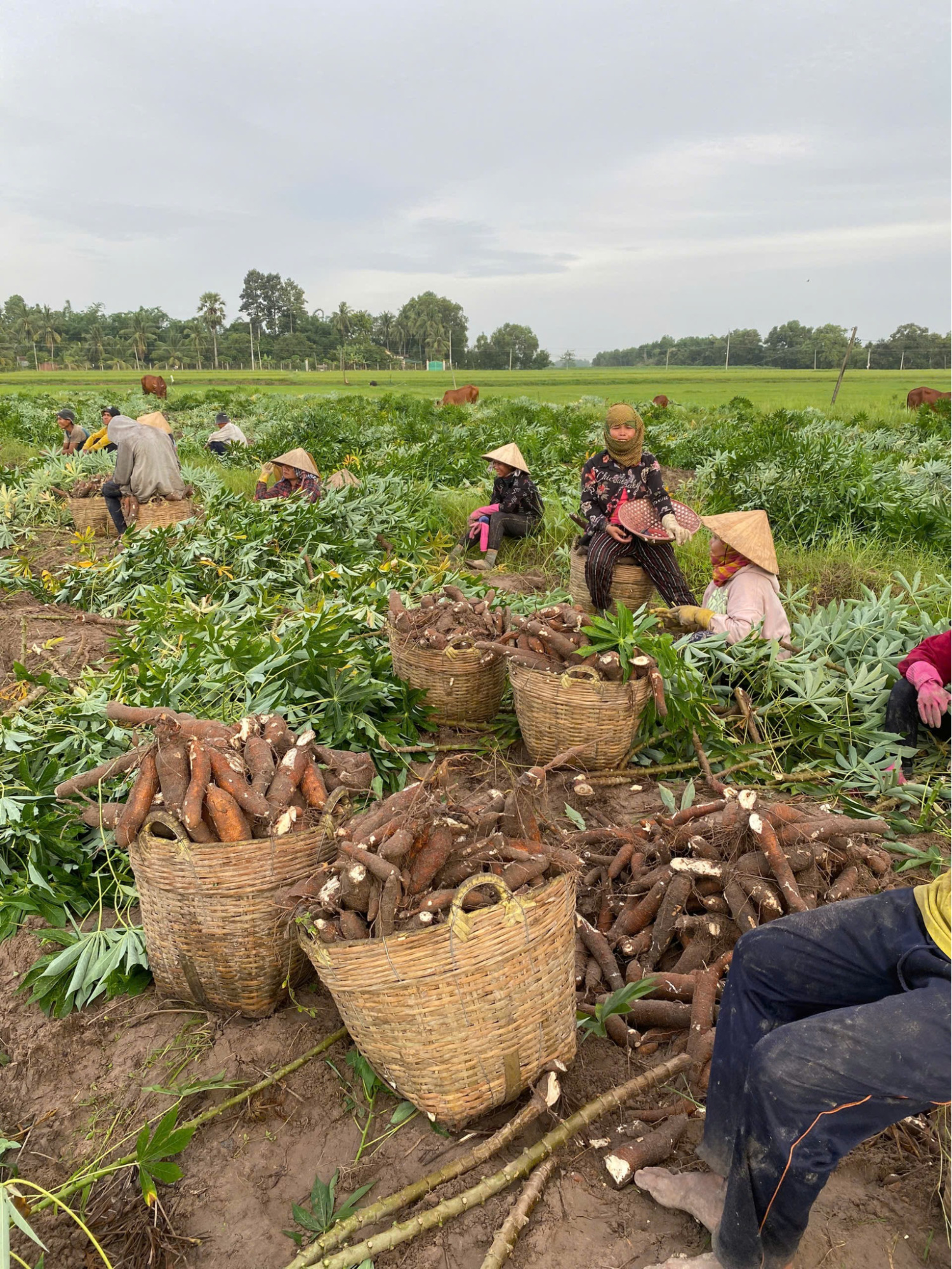
Vietnam’s cassava supply chain for industrial starch production. Source: Viego Global JSC
5. Institutional Execution: Engineering Systemic Predictability
Industrial manufacturing equipment operates according to strict technical parameters rather than generalized product descriptions. Viego Global therefore operates not simply as a transactional broker, but as a Technical Gatekeeper and Supply Chain Architect. Its value is built around system-level supply and quality governance.
Custom Rheology Tuning & Parameter Engineering
Moving beyond generic, mass-produced commodity grades, Viego Global executes strict, custom-engineered parameter modifications to fulfill demanding industrial profiles. Operating through controlled technical channels, we command full technical capabilities to calibrate the required Degree of Substitution (DS), charge densities, and specific Brookfield viscosity curves demanded by high-speed industrial machinery. This rigorous engineering infrastructure ensures that every batch is custom-tuned to deliver the exact dynamic slurry stability, film-forming strength, and fiber retention characteristics required for your specific plant environment, allowing our team to execute your exact Technical Data Sheet (TDS) parameters with absolute batch-to-batch predictability.
Capacity Quota & Strategic Annual Contracts:
Moving high-performance industrial chemicals from unstable spot markets into predictable corporate supply requires a committed sourcing partnership. For customized formulations that require tight DS tolerances, Viego Global works through its institutional relationships with Tier-1 refineries to secure dedicated annual production quotas.
This allocation model is designed to strengthen supply continuity and support a more predictable pricing structure over a 12-month fiscal cycle, helping global portfolios reduce exposure to spot-market inflation and unexpected capacity shortages.
Independent Quality Governance:
Heavy industries cannot tolerate significant batch-to-batch variation. To support strict compliance with Technical Data Sheets, Viego Global conducts centralized Acceptable Quality Limit (AQL) verification using composite samples before containers receive clearance for maritime shipment.
Viego Global JSC – Your Trusted Sourcing Partner
The global industrial chemical sourcing landscape is changing, and building a predictable, diversified starch supply chain is essential for protecting manufacturing efficiency, controlling long-term costs, and reducing exposure to single-origin risks. Viego Global helps global manufacturers strengthen their sourcing strategy by connecting their technical requirements for Cationic Starch and Oxidized Starch with suitable manufacturing capabilities in Vietnam. Our team can review your exact Technical Data Sheets (TDS), functional requirements, Degree of Substitution (DS), charge density, viscosity, and application conditions, then work with our trusted manufacturing network to develop a high-performance starch solution tailored to your production needs. By combining technical R&D collaboration, centralized quality control, reliable sourcing capabilities, and Vietnam’s extensive FTA network, Viego Global supports clients in improving supply continuity while optimizing sourcing costs and applicable tariff advantages.
For inquiries about Cationic Starch, Oxidized Starch, Pregelatinized E1404, or customized modified starch solutions, please contact us directly via WhatsApp/WeChat: +84 98 352 4599 or email: marketing@viegoglobal.com. Being present at both the cassava-growing locations and the economic centre of Vietnam, Viego Global can professionally support sourcing and order execution, helping clients secure quality tapioca products at competitive prices.
If you would like to explore more about Vietnam Tapioca Starch and the latest market developments, follow our channels below:
- Website: https://vietnamtapiocastarch.vn/ or https://viegoglobal.com/category/vietnams-tapioca-market/
- YouTube: https://www.youtube.com/@VietnamTapiocastarchSupplier
- LinkedIn: https://www.linkedin.com/company/b-sky-native-and-modified-tapioca-starch/